
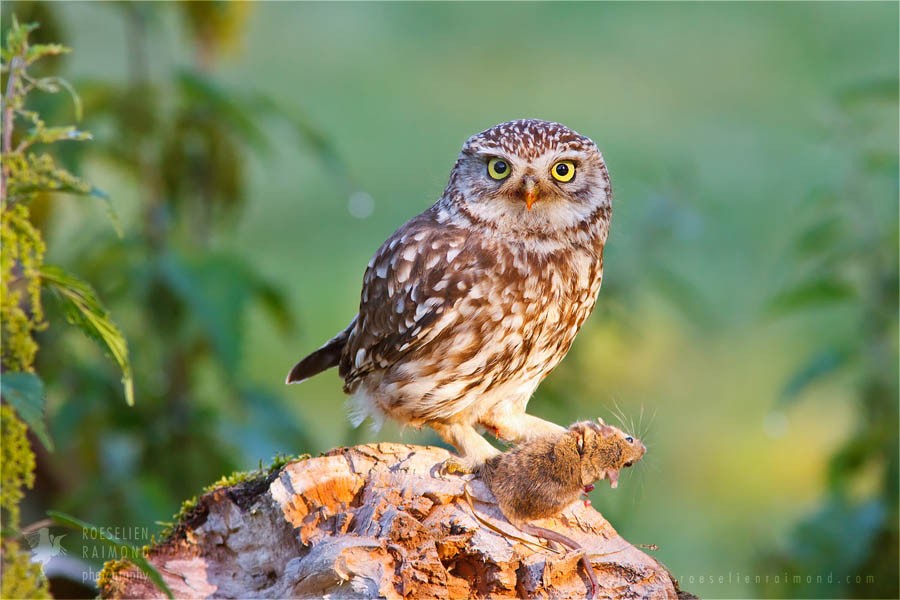
Where does the Little Owl live?
Athene noctua
Spotted a bird? Identify it instantly with the Birdby app
Open the appThe Little Owl lives in specific habitats and regions. Knowing where, and when, to look improves your chances of a successful sighting.
Biomes
Temperate grasslands, agricultural lands, semi-deserts, open woodlands, rocky areas, and human-modified landscapes.
Geographic range
Widespread across Europe (from the Iberian Peninsula to Russia), North Africa (Morocco to Egypt), and Asia (Middle East, Central Asia, and parts of China and Korea). Introduced to New Zealand and the UK.
Preferred environments
Prefers open country with scattered trees, old buildings, ruins, stone walls, and rock crevices for nesting and roosting. Often found near human habitation, farms, orchards, and vineyards. Requires access to short grassland or cultivated fields for hunting.
Elevation range
Typically found from sea level up to 2,000 meters, occasionally higher in some parts of its Asian range.
Where to look
Agricultural Areas
Look in open farmland, orchards, vineyards, and pastures with scattered trees or old buildings.
Old Buildings and Ruins
Check abandoned farmhouses, barns, churches, and ancient ruins, as these provide ideal nesting and roosting sites.
Rocky Outcrops and Quarries
In more natural settings, they can be found in areas with rock crevices and small caves.
Parks and Gardens
Occasionally found in suburban parks or large gardens, especially if they contain old trees or suitable structures.
Field tips
- Daytime Observation. Unlike many owls, Little Owls are often active during the day. Scan fence posts, telegraph poles, low branches, and prominent rocks for perched individuals.
- Listen for Calls. Their distinctive calls are often the first indication of their presence, especially at dusk and dawn. Learn to recognize the 'goo-ek' call.
- Look for Pellets. Check around potential roosting sites (e.g., under old trees, ledges in ruins) for owl pellets, which are regurgitated indigestible remains of prey.
- Use Binoculars. Their small size and cryptic plumage can make them hard to spot without optical aid, even when perched in the open.
Migration
Mostly resident throughout its range. Northern populations may undertake short-distance dispersal movements, especially juveniles, but true long-distance migration is rare.
Explore the Little Owl
Identify birds anywhere
Free on iOS, Android, and Web. Photo & sound identification, full species database, and your personal life list.