
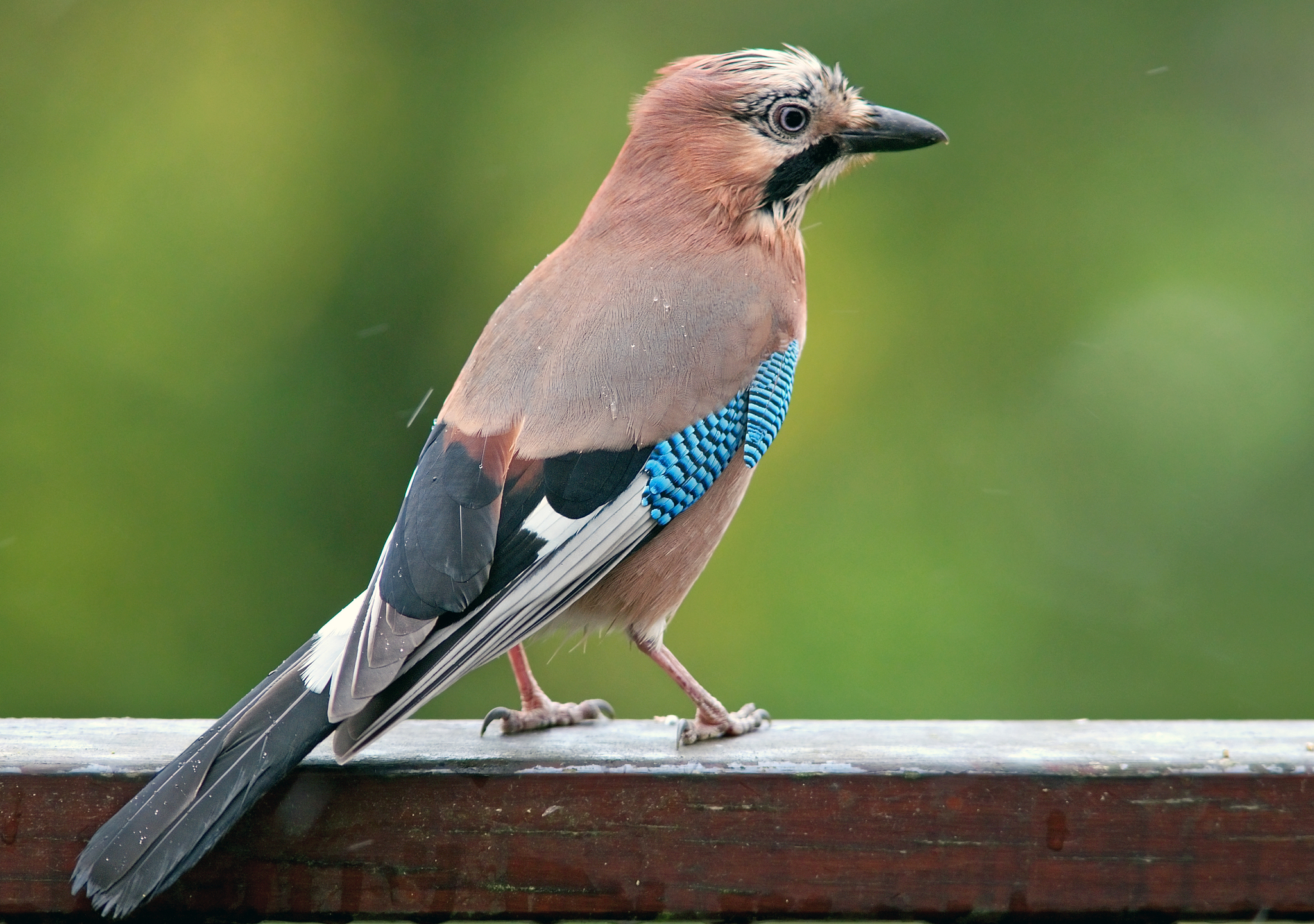
Where does the Eurasian Jay live?
Garrulus glandarius
Spotted a bird? Identify it instantly with the Birdby app
Open the appThe Eurasian Jay lives in specific habitats and regions. Knowing where, and when, to look improves your chances of a successful sighting.
Biomes
Temperate and boreal forests, mixed woodlands, deciduous forests, coniferous forests, parks, large gardens, orchards, and cultivated areas with scattered trees.
Geographic range
Widespread across Eurasia, from Western Europe and Northwest Africa through to East Asia, including Japan and parts of Southeast Asia. Its range extends from the British Isles in the west to the Pacific coast in the east.
Preferred environments
Prefers mature broadleaf woodlands, especially those with oak trees due to their reliance on acorns. Also adapts well to suburban and urban green spaces where suitable tree cover and food sources are available.
Elevation range
Sea level up to 2,000 meters (6,500 feet), occasionally higher in some mountainous regions.
Where to look
Oak Woodlands
Prime habitat, especially during autumn when they are actively collecting and caching acorns.
Mixed Forests
Any forest with a good mix of deciduous and coniferous trees, providing diverse food sources and nesting sites.
Parks and Large Gardens
Often found in suburban and urban green spaces with mature trees, especially if oaks are present.
Orchards and Cultivated Areas
Areas with scattered trees and fruit-bearing plants can attract them, particularly outside the breeding season.
Field tips
- Listen for Calls. Jays are often heard before they are seen. Their loud, harsh 'skaaak' call is a good indicator of their presence. They are also excellent mimics, so listen for unusual calls that might be a jay imitating another bird.
- Look for Movement in Trees. They are often secretive and prefer to stay within the cover of trees. Scan tree branches and dense foliage for movement, especially near oak trees.
- Observe Acorn Caching. In autumn, watch for jays carrying acorns in their bills and burying them in the ground or under leaf litter. This behavior is a strong indicator of their presence.
- Be Patient and Quiet. Jays can be shy. Moving slowly and quietly will increase your chances of observing them without causing them to flee.
- Check Bird Feeders (occasionally). While not typical feeder birds, they may occasionally visit feeders, especially those offering peanuts or other large seeds, particularly in winter.
Migration
Mostly resident throughout its range. Northern and eastern populations may undertake irruptive movements or short-distance migrations in years of poor acorn crops, moving south or west. Juveniles may disperse more widely.
Explore the Eurasian Jay
Identify birds anywhere
Free on iOS, Android, and Web. Photo & sound identification, full species database, and your personal life list.