
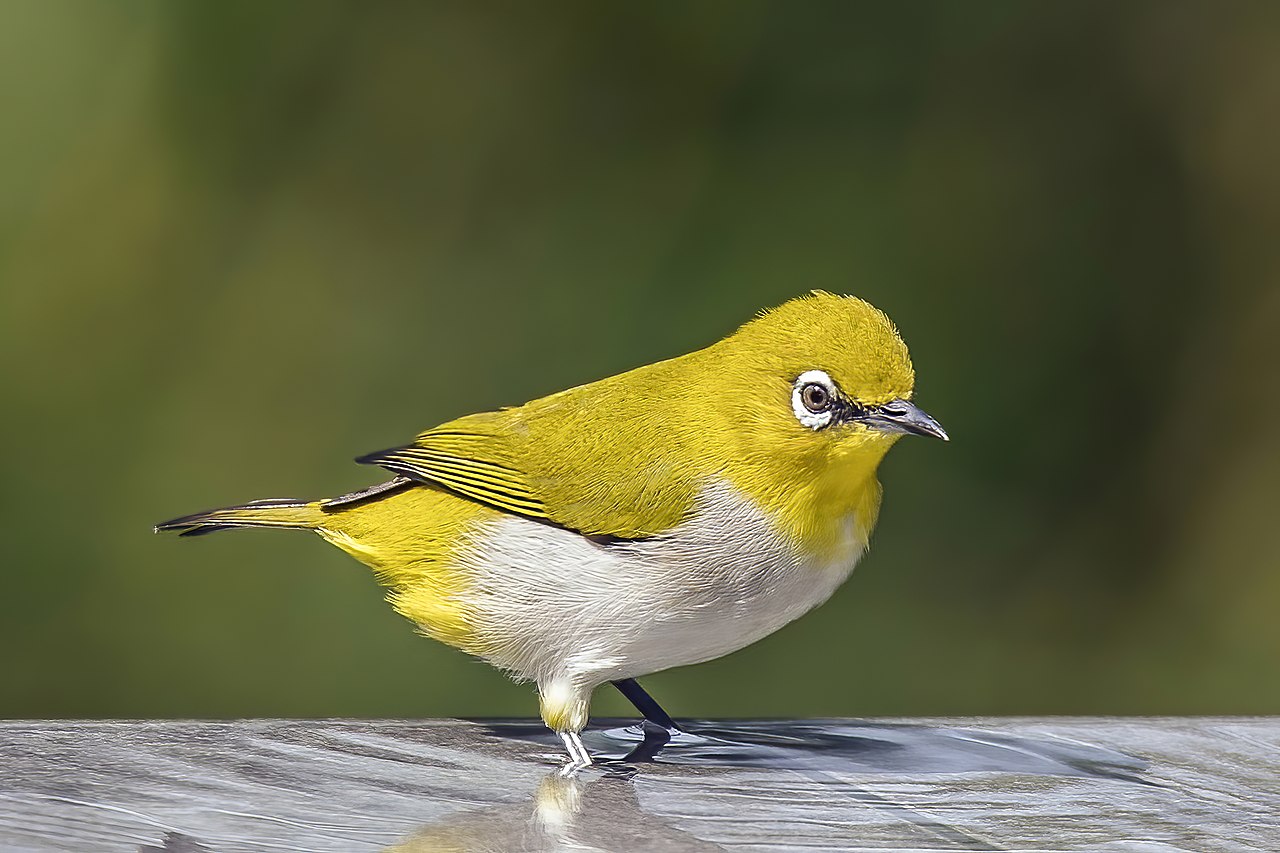
Di mana Oriental White-eye tinggal?
Zosterops palpebrosus
Melihat burung? Identifikasi seketika dengan aplikasi Birdby
Buka aplikasiOriental White-eye hidup di habitat dan wilayah tertentu. Mengetahui di mana dan kapan mencari meningkatkan peluang pengamatan yang berhasil.
Bioma
Forests, woodlands, scrublands, mangroves, gardens, plantations, and urban parks.
Persebaran geografis
Widely distributed across the Indian subcontinent, Southeast Asia, and parts of East Asia. Its range extends from India, Nepal, and Sri Lanka eastward through Myanmar, Thailand, Malaysia, Singapore, Indonesia (Sumatra, Java, Borneo, Sulawesi, Lesser Sundas), and the Philippines, reaching southern China and Taiwan.
Lingkungan yang disukai
Prefers open woodlands, forest edges, secondary growth, orchards, and cultivated areas with scattered trees and shrubs. It is highly adaptable and thrives in human-modified landscapes.
Rentang ketinggian
Sea level up to 2,000 meters, occasionally higher in some parts of its range.
Di mana mencari
Gardens and Parks
Common in urban and suburban green spaces with trees and flowering shrubs.
Orchards and Plantations
Frequently found in fruit orchards, coffee plantations, and other agricultural areas with suitable vegetation.
Forest Edges and Secondary Growth
Look along the margins of forests, in regenerating clearings, and in areas with dense scrub.
Mangroves
Certain subspecies or populations can be found in mangrove habitats, particularly in coastal regions.
Tips lapangan
- Look for movement in foliage. These birds are constantly on the move, flitting between branches. Scan the canopy and mid-story for small, active birds.
- Listen for calls and songs. Their distinctive 'tsee-tsee' calls and melodious warbling song are often easier to detect than seeing the bird itself, especially in dense vegetation.
- Visit flowering trees and shrubs. They are attracted to nectar, so check flowering plants, especially those with small, tubular flowers.
- Observe mixed-species flocks. Outside the breeding season, they often join other small passerines in foraging flocks. If you find one flock, look for white-eyes among them.
- Use binoculars. Their small size and active nature make binoculars essential for observing their key features, especially the eye-ring.
Migrasi
Generally resident throughout its range, though some localized altitudinal movements or short-distance dispersal may occur, particularly in mountainous regions or in response to food availability.
Jelajahi Oriental White-eye
Identifikasi burung di mana saja
Gratis di iOS, Android, dan Web. Identifikasi foto & suara, database spesies lengkap, dan daftar pribadi Anda.