
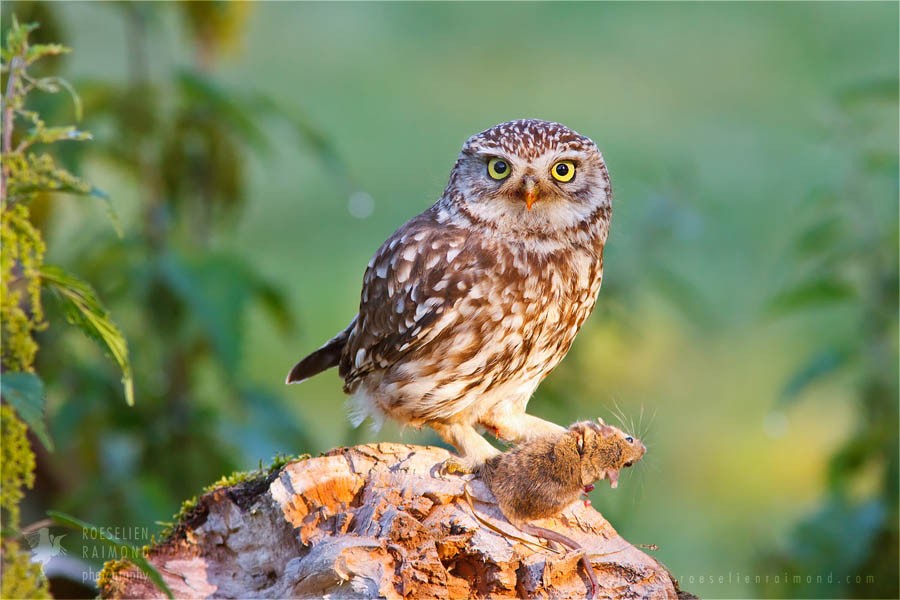
Dove vive Little Owl?
Athene noctua
Visto un uccello? Identificalo all'istante con l'app Birdby
Apri l'appLittle Owl vive in habitat e regioni specifiche. Sapere dove e quando guardare migliora le possibilità di un avvistamento riuscito.
Biomi
Temperate grasslands, shrublands, agricultural lands, open woodlands, semi-deserts, and urban/suburban areas.
Areale geografico
Widespread across Europe (excluding northern Scandinavia and Ireland), North Africa, and much of Asia, extending east to Korea and China. Introduced to New Zealand and parts of the UK.
Ambienti preferiti
Open, cultivated landscapes with scattered trees, old orchards, ruins, stone walls, farm buildings, quarries, and rocky outcrops. Requires suitable nesting cavities and perches for hunting.
Fascia altitudinale
Sea level up to 3,000 meters, though typically found at lower to mid-elevations.
Dove guardare
Agricultural Land
Look in areas with old farm buildings, stone walls, hedgerows, and scattered trees.
Old Orchards and Vineyards
These provide ideal nesting cavities in old trees and good hunting grounds.
Quarries and Rocky Outcrops
Natural rock crevices offer excellent nesting and roosting sites.
Ruins and Historic Buildings
Old structures with cavities and sheltered spots are often favored.
Suburban Gardens and Parks
In some regions, they adapt well to human-modified landscapes, especially if old trees or suitable structures are present.
Consigli sul campo
- Scan Perches. Systematically scan fence posts, telephone wires, low branches, and prominent rocks, especially at dawn and dusk, or on overcast days.
- Listen for Calls. Learn their distinctive calls. Listening for their 'goo-ek' can often lead you to their location before you see them.
- Look for Pellets. Check beneath favored perches or potential roosting sites for regurgitated pellets, which indicate their presence.
- Observe Behavior. Watch for their characteristic head-bobbing or short, undulating flights between perches.
- Check Cavities. During the breeding season, observe old trees, walls, or burrows for signs of activity, such as parents bringing food.
Migrazione
Mostly sedentary and resident throughout its range. Juveniles may disperse short distances from their natal territories, but long-distance migration is rare.
Esplora Little Owl
Identifica uccelli ovunque
Gratis su iOS, Android e Web. Identificazione per foto e suono, database completo e la tua lista personale.