
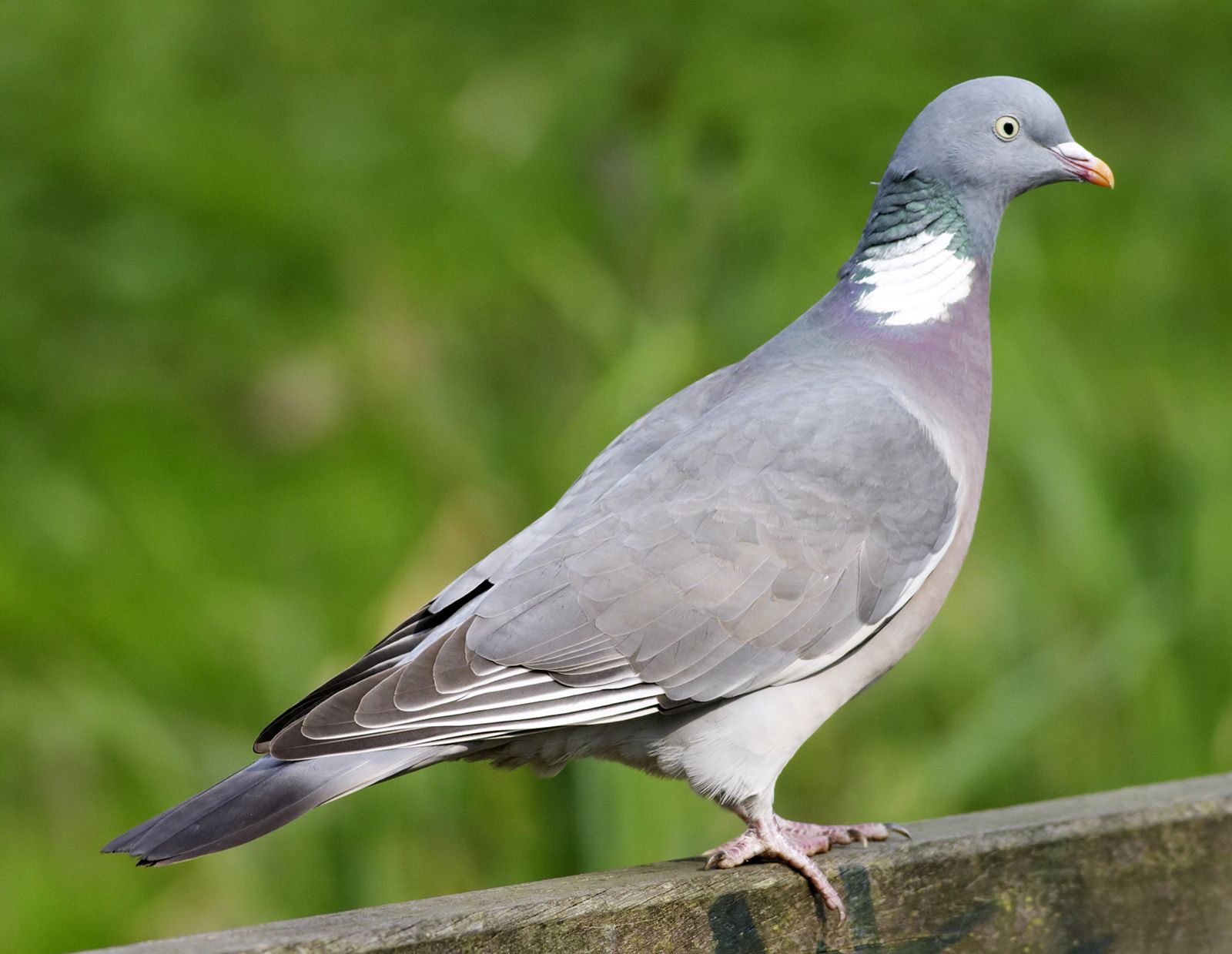
Dove vive Common Wood Pigeon?
Columba palumbus
Visto un uccello? Identificalo all'istante con l'app Birdby
Apri l'appCommon Wood Pigeon vive in habitat e regioni specifiche. Sapere dove e quando guardare migliora le possibilità di un avvistamento riuscito.
Biomi
Temperate forests, woodlands, parks, gardens, agricultural land, urban areas.
Areale geografico
Widespread across Europe, western Asia, and North Africa. Its range extends from the Atlantic coast of Europe eastward to western Siberia and south to the Middle East and North Africa.
Ambienti preferiti
Deciduous and mixed woodlands, coniferous plantations, suburban gardens, urban parks, farmland with hedgerows and scattered trees. It shows a strong preference for areas with mature trees for nesting and roosting, alongside open areas for foraging.
Fascia altitudinale
Sea level up to approximately 2,000 meters, though most common in lowlands and foothills.
Dove guardare
Woodlands and Forests
Primary habitat, especially mature deciduous and mixed woodlands, where they find ample food and nesting sites.
Parks and Gardens
Common in urban and suburban green spaces, often becoming quite tame and accustomed to human presence.
Agricultural Land
Frequently seen foraging in open fields, particularly those planted with cereals, oilseed rape, or peas. Look for large flocks.
Hedgerows and Scattered Trees
These provide important cover and nesting opportunities in agricultural landscapes.
Consigli sul campo
- Listen for the Call. The distinctive five-note cooing call is often heard before the bird is seen, especially in wooded areas. It's a good way to locate them.
- Look for Flocks. Outside the breeding season, Wood Pigeons often gather in large flocks, making them easier to spot, especially when feeding in open fields or roosting in trees.
- Observe Flight. Their strong, direct flight and the white wing patches are excellent identification features, particularly when they fly overhead.
- Check for Foraging Behavior. They spend a lot of time foraging on the ground, so scan open areas, lawns, and under trees for feeding birds.
- Be Patient in Urban Areas. In parks and gardens, they can be quite approachable. Sit quietly and observe their behavior.
Migrazione
Partially migratory. Northern and eastern populations are migratory, moving south and west for the winter. Southern and western populations are largely resident. Large migratory movements can be observed in autumn and spring, with birds from Scandinavia and Eastern Europe moving into Western and Southern Europe.
Esplora Common Wood Pigeon
Identifica uccelli ovunque
Gratis su iOS, Android e Web. Identificazione per foto e suono, database completo e la tua lista personale.