
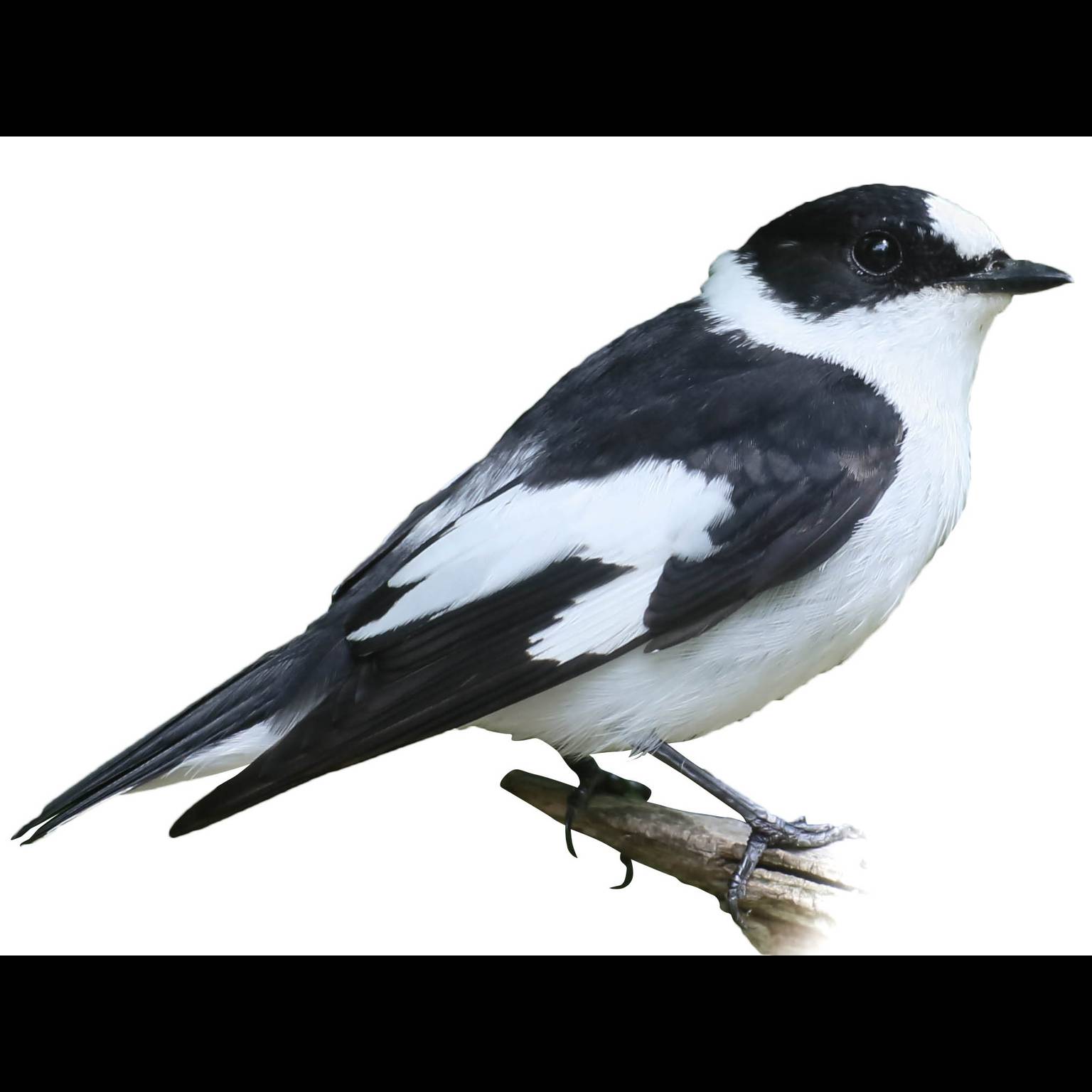
Dove vive Collared Flycatcher?
Ficedula albicollis
Visto un uccello? Identificalo all'istante con l'app Birdby
Apri l'appCollared Flycatcher vive in habitat e regioni specifiche. Sapere dove e quando guardare migliora le possibilità di un avvistamento riuscito.
Biomi
Temperate broadleaf and mixed forests, woodlands, parks, orchards.
Areale geografico
Breeds in central and eastern Europe, from France and Germany eastward to Russia and Ukraine, and south to the Balkans. Winters in sub-Saharan Africa, primarily in the miombo woodlands of southeastern Africa.
Ambienti preferiti
Prefers mature deciduous or mixed forests with an open understory, especially those with old trees providing suitable nesting holes. Also found in large parks, avenues, and orchards with mature trees.
Fascia altitudinale
Typically found from sea level up to 1,000 meters, occasionally higher in mountainous regions.
Dove guardare
Mature Deciduous Forests
Especially those with oak, hornbeam, and beech trees, and an open understory. Look for old trees with natural cavities or abandoned woodpecker holes.
Mixed Woodlands
Areas where deciduous trees are interspersed with conifers, particularly in central and eastern Europe.
Large Parks and Gardens
Urban or suburban green spaces with mature trees can attract breeding pairs.
Orchards and Avenues
Areas with old fruit trees or lines of mature trees can provide suitable nesting and foraging habitat.
Consigli sul campo
- Listen for the song. The male's song is a key indicator of its presence, especially during the breeding season (May-July). Learn to distinguish it from the similar Pied Flycatcher song.
- Look for movement. Collared Flycatchers are active insectivores. Watch for their characteristic 'sallying' behavior from a perch to catch flying insects.
- Check tree cavities and nest boxes. During the breeding season, they are often found near their nesting sites. If you see nest boxes in suitable habitat, keep an eye on them.
- Visit during migration. During spring (April-May) and autumn (August-September) migration, they can be seen in a wider variety of habitats, including coastal areas and gardens, as they pass through.
Migrazione
Long-distance migratory species. Breeds in Europe and migrates south to winter in sub-Saharan Africa, typically arriving in breeding grounds in April-May and departing in August-September.
Esplora Collared Flycatcher
Identifica uccelli ovunque
Gratis su iOS, Android e Web. Identificazione per foto e suono, database completo e la tua lista personale.