
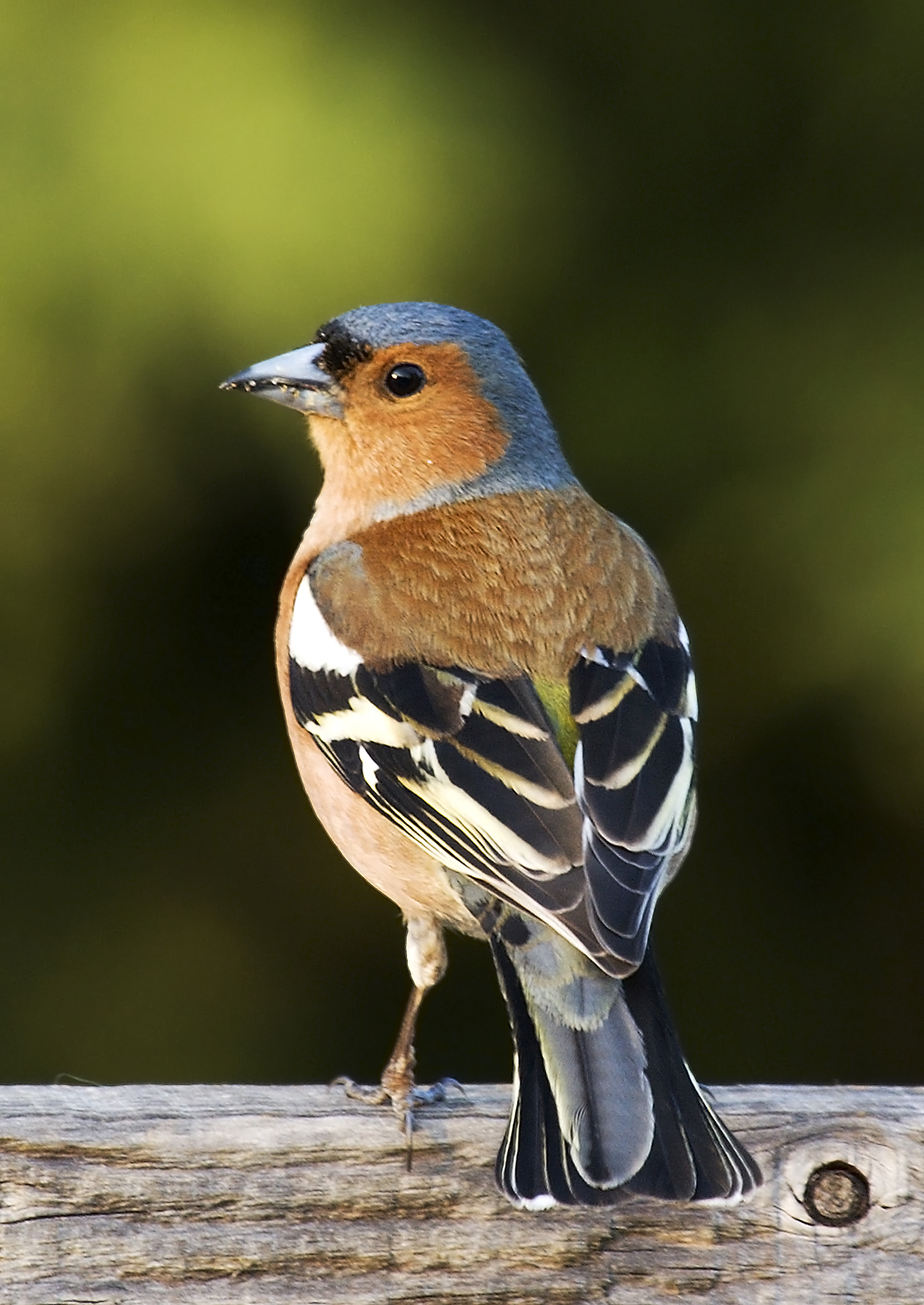
Dove vive Common Chaffinch?
Fringilla coelebs
Visto un uccello? Identificalo all'istante con l'app Birdby
Apri l'appCommon Chaffinch vive in habitat e regioni specifiche. Sapere dove e quando guardare migliora le possibilità di un avvistamento riuscito.
Biomi
Temperate forests, woodlands, parks, gardens, hedgerows, agricultural land, urban areas.
Areale geografico
Widespread across Europe, North Africa, and parts of western Asia. Introduced to New Zealand and South Africa.
Ambienti preferiti
Prefers deciduous and mixed woodlands, but is highly adaptable and thrives in human-modified landscapes such as parks, gardens, orchards, and cultivated areas with scattered trees and bushes. Requires trees for nesting and perching, and open ground for foraging.
Fascia altitudinale
Sea level up to 2,000 meters, occasionally higher in mountainous regions.
Dove guardare
Woodlands and Forests
Common in both deciduous and mixed woodlands, especially at the edges.
Parks and Gardens
A frequent visitor to urban and suburban parks and gardens, particularly those with mature trees and shrubs.
Agricultural Areas
Found in cultivated areas with hedgerows, scattered trees, and copses.
Orchards and Avenues
Favors areas with fruit trees and tree-lined roads.
Consigli sul campo
- Listen for the song. The male's distinctive song is often the first indication of a Chaffinch's presence, especially in spring and early summer. They sing from prominent perches.
- Look on the ground. Chaffinches frequently forage on the ground for seeds and insects, often near the base of trees or under feeders.
- Check bird feeders. They are common visitors to garden bird feeders, especially those offering sunflower seeds or mixed seed. They often feed on spilled seeds below the feeder.
- Observe mixed flocks. Outside the breeding season, look for them in mixed flocks with other finches and buntings, particularly in fields or woodland edges.
Migrazione
Partially migratory. Northern and eastern European populations are largely migratory, moving south and west for the winter. Western and southern European populations are mostly resident or undertake short-distance movements. Males tend to be more sedentary than females and juveniles, leading to the species' name 'coelebs' (bachelor) as Linnaeus observed mostly males in Sweden during winter.
Esplora Common Chaffinch
Identifica uccelli ovunque
Gratis su iOS, Android e Web. Identificazione per foto e suono, database completo e la tua lista personale.