
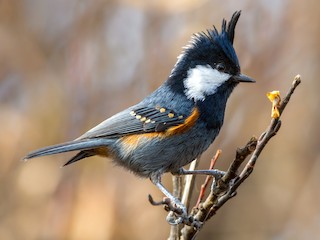
Dove vive Coal Tit?
Periparus ater
Visto un uccello? Identificalo all'istante con l'app Birdby
Apri l'appCoal Tit vive in habitat e regioni specifiche. Sapere dove e quando guardare migliora le possibilità di un avvistamento riuscito.
Biomi
Temperate forests, boreal forests, mixed woodlands, parks, gardens.
Areale geografico
Widespread across Europe and Asia, from the British Isles and Iberia eastward through Scandinavia, central and eastern Europe, Russia, and across Siberia to Japan and China. Also found in parts of North Africa.
Ambienti preferiti
Strong preference for coniferous forests (pine, spruce, fir), but also common in mixed woodlands, especially those with a significant conifer component. Can be found in deciduous woods, parks, and large gardens, particularly outside the breeding season.
Fascia altitudinale
Sea level up to 2,000 meters, occasionally higher in mountainous regions (e.g., up to 3,000 meters in the Himalayas).
Dove guardare
Coniferous Forests
The primary habitat, especially pine, spruce, and fir forests. Look among the needles and cones.
Mixed Woodlands
Areas with a mix of conifers and deciduous trees, particularly where conifers are abundant.
Parks and Gardens
In winter, they may visit parks and gardens, especially those with mature trees or bird feeders.
Bird Feeders
They are frequent visitors to feeders offering seeds (especially sunflower seeds) and suet, particularly in colder months.
Consigli sul campo
- Listen for the song. The repetitive 'pee-choo' song is often the first indication of a Coal Tit's presence, even before you see it.
- Check conifer trees. Focus your search on coniferous trees, where they actively forage for insects and seeds. Look for small, active birds moving quickly through the branches.
- Observe mixed flocks. In autumn and winter, join mixed-species tit flocks. Coal Tits are often part of these groups, moving through the canopy.
- Look for the nape patch. Once you spot a small tit, quickly scan for the white patch on the back of its neck – this is the definitive field mark for a Coal Tit.
Migrazione
Mostly resident throughout their range, but some northern and eastern populations undertake short-distance irruptive movements in years of poor food supply. Juveniles may disperse further from their natal sites. Generally considered a sedentary species.
Esplora Coal Tit
Identifica uccelli ovunque
Gratis su iOS, Android e Web. Identificazione per foto e suono, database completo e la tua lista personale.