
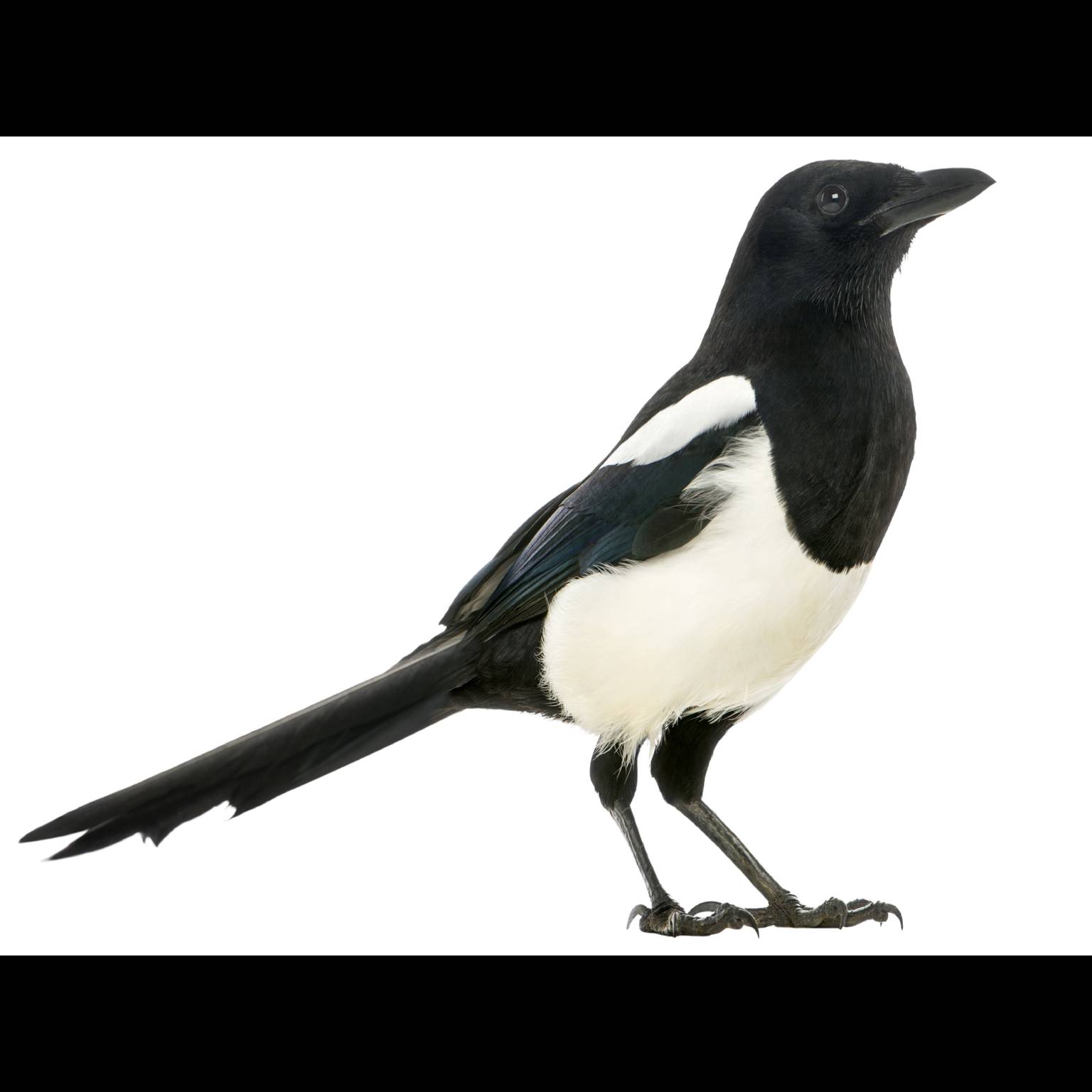
Dove vive Eurasian Magpie?
Pica pica
Visto un uccello? Identificalo all'istante con l'app Birdby
Apri l'appEurasian Magpie vive in habitat e regioni specifiche. Sapere dove e quando guardare migliora le possibilità di un avvistamento riuscito.
Biomi
Temperate forests, woodlands, agricultural land, urban and suburban areas, parks, gardens, scrubland.
Areale geografico
Widespread across most of Europe, much of Asia (from Siberia to Japan), and parts of North Africa. Absent from Iceland and some Mediterranean islands.
Ambienti preferiti
Highly adaptable, preferring open country with scattered trees, hedgerows, and human settlements. They thrive in areas with a mosaic of open ground for foraging and tall trees or structures for nesting and roosting.
Fascia altitudinale
Sea level up to 2,500 meters, occasionally higher in mountainous regions.
Dove guardare
Urban and Suburban Parks
Common in parks, gardens, and green spaces within towns and cities, where they can find food and nesting sites.
Agricultural Land
Frequently found in open farmland with scattered trees, hedgerows, and farm buildings.
Woodland Edges and Scrubland
Prefer the edges of woodlands and areas with dense scrub, which provide cover and foraging opportunities.
Roadsides and Railway Lines
Often seen along transportation corridors, scavenging for roadkill or discarded food.
Consigli sul campo
- Look for movement. Their striking black and white plumage makes them relatively easy to spot against green foliage or open ground. Look for their distinctive walking gait or undulating flight.
- Listen for calls. Their loud, chattering calls are often the first indication of their presence, especially when they are alarmed or communicating with each other.
- Check high vantage points. Magpies often perch on the tops of tall trees, utility poles, or buildings, providing good views of their surroundings.
- Observe feeding behavior. Watch for them foraging on the ground, turning over leaves, or investigating potential food sources. They are often seen scavenging.
Migrazione
Mostly resident throughout their range. Northern populations may undertake short-distance movements or irruptions in harsh winters, but generally, they are non-migratory.
Esplora Eurasian Magpie
Identifica uccelli ovunque
Gratis su iOS, Android e Web. Identificazione per foto e suono, database completo e la tua lista personale.