
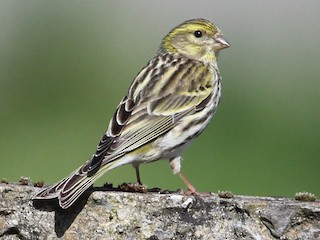
Dove vive European Serin?
Serinus serinus
Visto un uccello? Identificalo all'istante con l'app Birdby
Apri l'appEuropean Serin vive in habitat e regioni specifiche. Sapere dove e quando guardare migliora le possibilità di un avvistamento riuscito.
Biomi
Temperate forests, Mediterranean shrubland, agricultural areas, urban parks, gardens, orchards, cemeteries.
Areale geografico
Widespread across most of Europe, extending east to western Russia, south to North Africa (Morocco, Algeria, Tunisia), and parts of the Middle East (Turkey, Levant).
Ambienti preferiti
Open woodlands, forest edges, parks, gardens, orchards, vineyards, and cultivated areas with scattered trees and shrubs. They prefer areas with a mix of open ground for foraging and dense vegetation for nesting and cover.
Fascia altitudinale
Sea level up to 2,000 meters, occasionally higher in mountainous regions.
Dove guardare
Urban Parks and Gardens
Common in well-vegetated urban and suburban areas, especially those with conifers or fruit trees.
Orchards and Vineyards
Agricultural areas with fruit trees or vines provide excellent foraging and nesting sites.
Cemeteries
Often found in cemeteries due to the presence of mature trees and quiet, undisturbed areas.
Forest Edges and Open Woodlands
Prefers the edges of forests and open woodland areas rather than dense forest interiors.
Mediterranean Shrubland
In southern Europe, they are common in maquis and garrigue habitats.
Consigli sul campo
- Listen for the song. The distinctive jingling song is often the first indication of a Serin's presence. Learn to recognize it.
- Look for movement in trees/shrubs. They are often active, flitting between branches or foraging on the ground beneath vegetation.
- Check for yellow rump. The bright yellow rump is a key field mark, especially noticeable when the bird takes flight.
- Visit suitable habitats. Focus your search in parks, gardens, orchards, and areas with scattered trees and open ground.
- Observe feeding behavior. Watch for them feeding on seeds on the ground or clinging to plant stems.
Migrazione
Partially migratory. Northern and eastern populations are migratory, moving south to the Mediterranean basin and North Africa for winter. Southern and western populations are largely resident or undertake short-distance movements.
Esplora European Serin
Identifica uccelli ovunque
Gratis su iOS, Android e Web. Identificazione per foto e suono, database completo e la tua lista personale.