
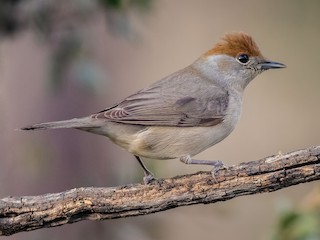
Dove vive Eurasian Blackcap?
Sylvia atricapilla
Visto un uccello? Identificalo all'istante con l'app Birdby
Apri l'appEurasian Blackcap vive in habitat e regioni specifiche. Sapere dove e quando guardare migliora le possibilità di un avvistamento riuscito.
Biomi
Temperate forests, woodlands, parks, gardens, scrubland, hedgerows, and riparian vegetation.
Areale geografico
Widespread across most of Europe, western Asia, and northern Africa. Breeding range extends from Ireland and Portugal eastwards to western Siberia and south to the Mediterranean and North Africa. Winters in southern Europe, North Africa, and sub-Saharan Africa.
Ambienti preferiti
Prefers deciduous and mixed woodlands with a dense understory, thickets, and areas with abundant berry-producing shrubs. Also common in suburban gardens and parks with suitable vegetation.
Fascia altitudinale
From sea level up to 2,000 meters, occasionally higher in mountainous regions.
Dove guardare
Deciduous Woodlands
Look in mature deciduous or mixed woodlands with a good understory of shrubs and saplings.
Parks and Gardens
Common in well-vegetated urban and suburban parks and gardens, especially those with dense bushes and fruit-bearing plants.
Hedgerows and Scrubland
Check dense hedgerows, scrubby areas, and woodland edges, particularly where there are berry bushes.
Consigli sul campo
- Listen for the song. The Blackcap's song is often the first indication of its presence, especially when it's hidden in dense foliage. Learn to recognize its distinctive fluty warble.
- Look in dense cover. Blackcaps prefer to forage and nest in dense bushes and undergrowth. Scan these areas carefully, especially at eye level or slightly above.
- Visit during breeding season. During spring and early summer, males are most vocal and visible as they establish territories and attract mates.
- Check berry bushes in autumn. In late summer and autumn, Blackcaps switch to a fruit-heavy diet. Look for them in bushes laden with elderberries, ivy berries, or other soft fruits.
Migrazione
Most populations are migratory, moving south to wintering grounds in the Mediterranean basin, North Africa, and sub-Saharan Africa. Northern and eastern populations are typically long-distance migrants. Western and southern European populations show increasing residency or short-distance migration, with some individuals even wintering further north in the UK and Ireland, likely due to climate change and supplementary feeding.
Esplora Eurasian Blackcap
Identifica uccelli ovunque
Gratis su iOS, Android e Web. Identificazione per foto e suono, database completo e la tua lista personale.