
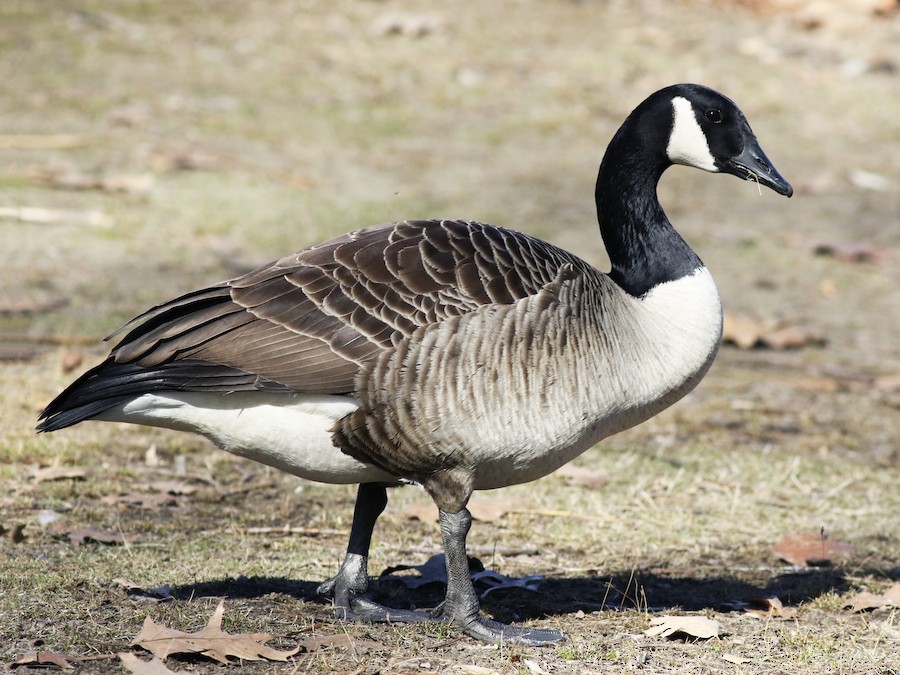
Where does the Canada Goose live?
Branta canadensis
Spotted a bird? Identify it instantly with the Birdby app
Open the appThe Canada Goose lives in specific habitats and regions. Knowing where, and when, to look improves your chances of a successful sighting.
Biomes
Wetlands, grasslands, agricultural fields, urban parks, suburban areas, tundra, boreal forests, temperate forests.
Geographic range
Native to North America, breeding from the Arctic to the southern United States. Winters across much of the United States and northern Mexico. Introduced populations exist in Europe (e.g., UK, Scandinavia), New Zealand, and other regions.
Preferred environments
Prefers open grassy areas near freshwater or brackish water bodies such as lakes, ponds, rivers, marshes, and estuaries. Highly adaptable to human-modified landscapes including golf courses, parks, and agricultural fields.
Elevation range
Sea level to several thousand meters, particularly during migration over mountain ranges.
Where to look
Urban and Suburban Parks
Common in parks with ponds, lakes, or open grassy areas, especially where they are fed by people.
Agricultural Fields
Often found grazing in fields of corn, wheat, or other crops, particularly during migration and winter.
Wetlands and Water Bodies
Lakes, rivers, marshes, estuaries, and reservoirs are prime habitats, especially those with adjacent grassy banks.
Golf Courses
The manicured lawns and water features of golf courses provide ideal feeding and resting grounds.
Field tips
- Listen for Calls. Their loud honking calls are often heard before the birds are seen, especially when flocks are flying overhead or communicating on the water.
- Scan Open Water and Grassy Areas. Look for them grazing on lawns, golf courses, or agricultural fields, and swimming or resting on open water bodies.
- Observe Flight Patterns. During migratory seasons (spring and fall), look to the sky for V-formations of geese. They often fly at considerable altitudes.
- Check for Family Groups. In spring and summer, look for adults with their goslings near water sources. Family groups are often quite protective.
Migration
Most populations are migratory, breeding in northern latitudes and wintering further south. However, many urban and suburban populations have become resident due to abundant food and lack of predation. Migratory flights are often spectacular, involving large V-formations and loud vocalizations.
Explore the Canada Goose
Identify birds anywhere
Free on iOS, Android, and Web. Photo & sound identification, full species database, and your personal life list.