
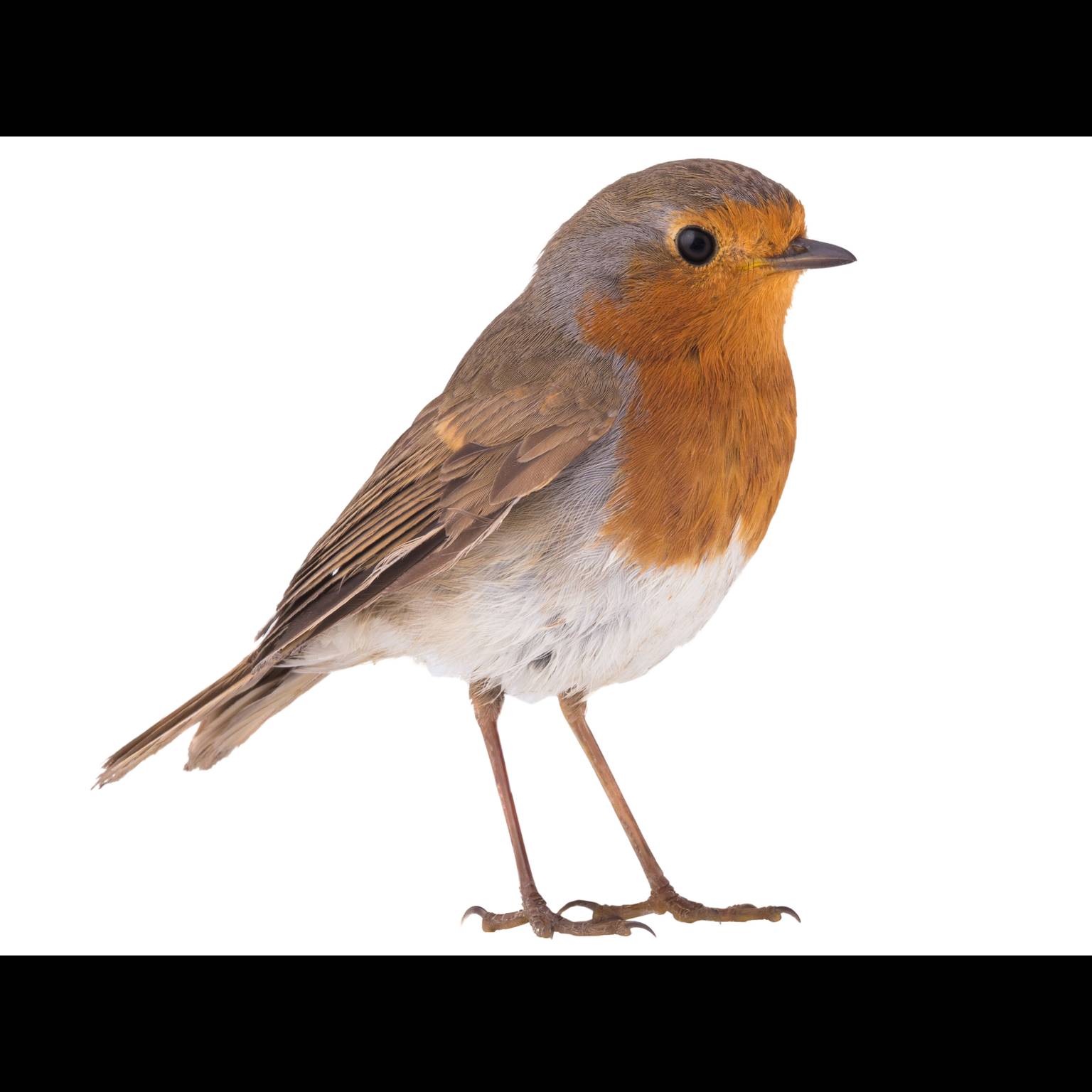
Where does the European Robin live?
Erithacus rubecula
Spotted a bird? Identify it instantly with the Birdby app
Open the appThe European Robin lives in specific habitats and regions. Knowing where, and when, to look improves your chances of a successful sighting.
Biomes
Forests, woodlands, parks, gardens, hedgerows, scrubland, urban areas.
Geographic range
Widespread across Europe, extending east to Western Siberia and south to North Africa and the Azores. Absent from Iceland.
Preferred environments
Prefers areas with dense undergrowth for nesting and foraging, often close to human habitation. Found in deciduous and coniferous woodlands, parks, large gardens, and cemeteries. Requires leaf litter for foraging.
Elevation range
Sea level up to 2,000 meters, occasionally higher in mountainous regions.
Where to look
Gardens and Parks
One of the most common garden birds across its range, often seen near bird feeders or foraging on lawns and flowerbeds.
Woodlands and Forests
Found in both deciduous and coniferous woodlands, particularly in areas with dense undergrowth and leaf litter.
Hedgerows and Scrubland
Good places to find robins, as they provide cover and foraging opportunities.
Cemeteries and Urban Green Spaces
Often thrive in these environments due to a mix of trees, shrubs, and open ground, and reduced disturbance.
Field tips
- Listen for their song. Their distinctive song is often the first indication of their presence, especially in dense vegetation. They sing year-round.
- Look for movement on the ground. Robins spend a lot of time foraging on the ground, hopping and pausing. Look for small, quick movements in leaf litter or on lawns.
- Check bird feeders. They are frequent visitors to bird tables, especially in winter, where they will eat seeds, mealworms, and fat products.
- Be patient and still. Robins are often quite tame and curious. If you remain still, they may approach quite closely, especially if you are digging or disturbing the ground.
- Look in shaded areas. They often prefer shaded, damp areas with plenty of cover, which provide good foraging for invertebrates.
Migration
Partially migratory. Northern and eastern populations are largely migratory, moving south and west for winter. Western and southern European populations are mostly resident, though some individuals may undertake short-distance movements. Migrants typically move at night.
Explore the European Robin
Identify birds anywhere
Free on iOS, Android, and Web. Photo & sound identification, full species database, and your personal life list.