
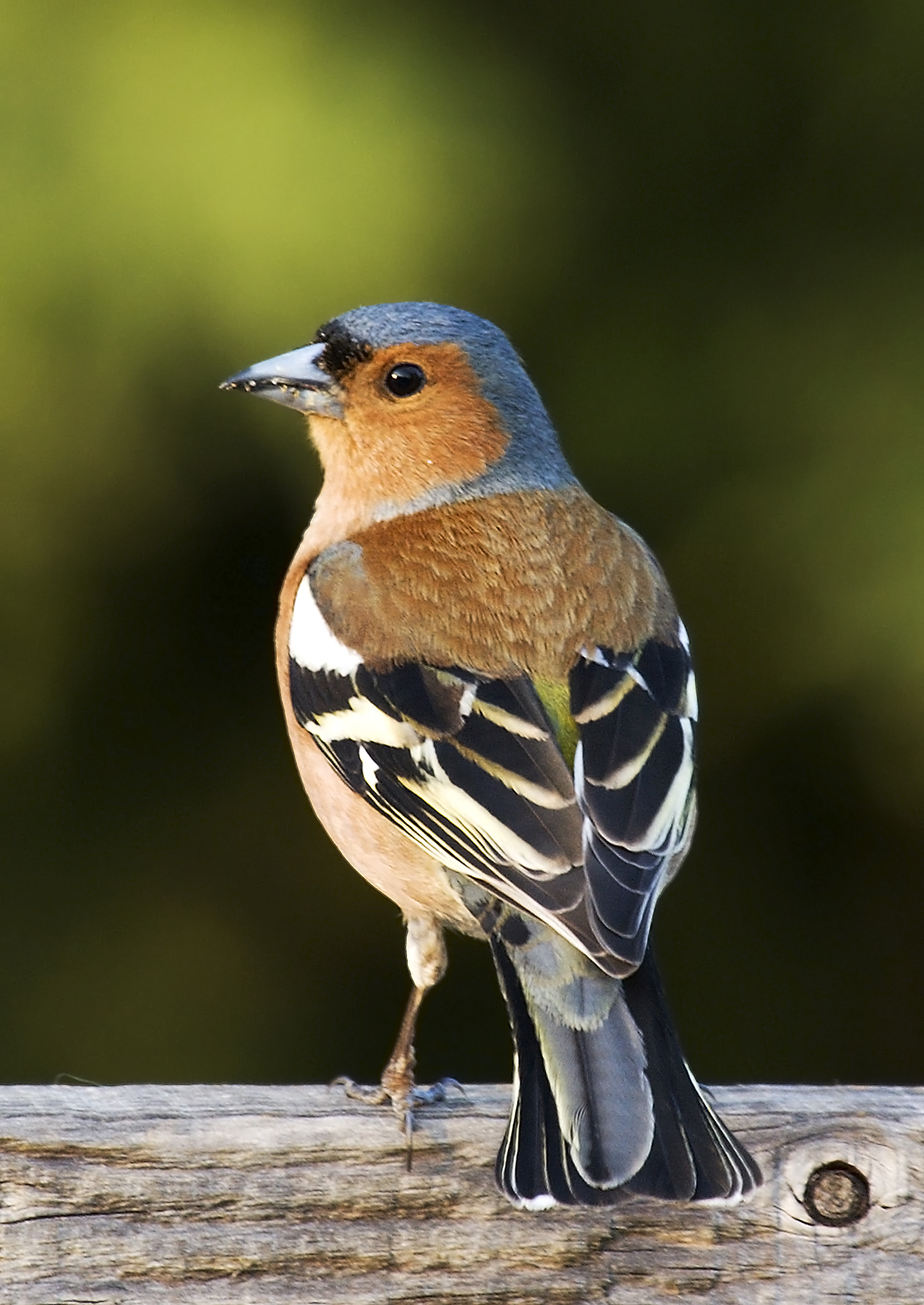
Where does the Common Chaffinch live?
Fringilla coelebs
Spotted a bird? Identify it instantly with the Birdby app
Open the appThe Common Chaffinch lives in specific habitats and regions. Knowing where, and when, to look improves your chances of a successful sighting.
Biomes
Temperate forests, woodlands, parks, gardens, hedgerows, orchards, agricultural land with scattered trees.
Geographic range
Widespread across Europe, North Africa (Morocco, Algeria, Tunisia), and parts of western Asia (Turkey, Caucasus, Iran). Introduced to New Zealand.
Preferred environments
Deciduous and mixed woodlands, mature gardens, parks, and suburban areas with ample tree cover and open ground for foraging. They prefer areas with a good understory and leaf litter.
Elevation range
Sea level up to 2,000 meters, occasionally higher in mountainous regions.
Where to look
Woodlands and Forests
Deciduous and mixed woodlands are prime habitats, especially those with a good understory and open areas.
Parks and Gardens
Common in urban and suburban parks and gardens with mature trees and shrubs.
Hedgerows and Orchards
Agricultural areas with hedgerows, scattered trees, and orchards provide suitable habitat.
Bird Feeders
They frequently visit bird feeders, especially in winter, for seeds.
Field tips
- Listen for the song. The male's loud and distinctive song is often the first indication of a Chaffinch's presence, especially in spring and early summer.
- Look on the ground. Chaffinches are primarily ground feeders, so scan the leaf litter under trees and shrubs. They often hop rather than walk.
- Check for white wing-bars. Even in flight or when perched, the two prominent white wing-bars are a reliable field mark for both sexes and juveniles.
- Visit bird feeders. In winter, Chaffinches are frequent visitors to garden bird feeders, offering excellent viewing opportunities.
- Observe flocks. Outside the breeding season, look for flocks of finches, as Chaffinches often associate with other finch species.
Migration
Northern and eastern populations are migratory, moving south and west for the winter. Southern and western European populations are largely resident or undertake short-distance movements. Males often winter further north than females and juveniles.
Explore the Common Chaffinch
Identify birds anywhere
Free on iOS, Android, and Web. Photo & sound identification, full species database, and your personal life list.