
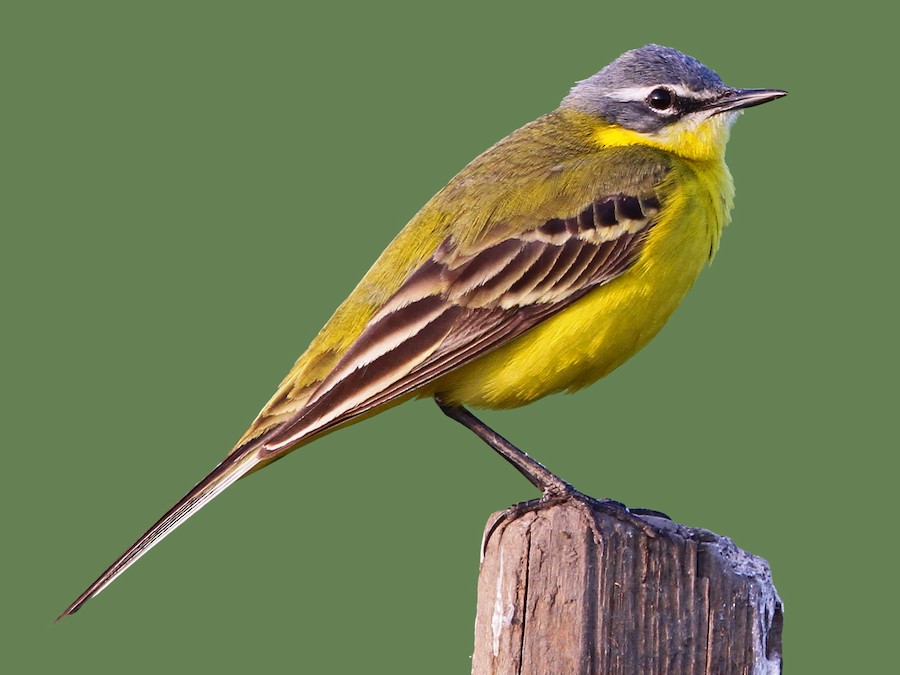
Where does the Western Yellow Wagtail live?
Motacilla flava
Spotted a bird? Identify it instantly with the Birdby app
Open the appThe Western Yellow Wagtail lives in specific habitats and regions. Knowing where, and when, to look improves your chances of a successful sighting.
Biomes
Grasslands, wetlands, agricultural areas, tundra.
Geographic range
Breeds across most of temperate Europe, Asia, and northwestern Africa. Winters in sub-Saharan Africa, the Arabian Peninsula, and parts of southern Asia.
Preferred environments
Open, wet habitats with short vegetation, such as damp meadows, pastures, marshes, riverbanks, cultivated fields, and floodplains. They favor areas with access to insects and bare ground for foraging.
Elevation range
Sea level up to approximately 2000 meters (6500 ft), occasionally higher during migration.
Where to look
Wet meadows and pastures
These are prime habitats during the breeding season where they feed on insects disturbed by grazing animals or found in damp soil.
Marshes and floodplains
Areas with low, sparse vegetation and abundant insect life are ideal for foraging and nesting.
Agricultural fields
Cultivated lands, especially those near water sources, can attract them due to insect availability.
Lakeshores and riverbanks
Open edges of water bodies provide foraging opportunities.
Migration stopovers
During migration, they can be found in a wider range of open habitats, including coastal areas and open fields, often in flocks.
Field tips
- Scan open ground. Look for small, active birds running or walking with their characteristic tail-wagging motion.
- Listen for calls. Their 'tseep' call is often the first indication of their presence, especially when they are flushed from tall grass.
- Observe head patterns carefully. If you encounter a yellow wagtail, take detailed notes or photos of the head plumage to aid in subspecies identification, as this is the most variable trait.
- Visit during migration. Migration periods (spring and autumn) can offer opportunities to see various subspecies outside their typical breeding ranges, often in larger flocks.
- Check near livestock. Cattle and other grazing animals disturb insects, making them easier prey for wagtails.
Migration
Long-distance migrant. Northern populations migrate south to Africa and parts of southern Asia for the non-breeding season. Migration typically occurs in broad fronts, both by day and night, often in flocks. Spring migration is from March-April, and autumn migration from August-October.
Explore the Western Yellow Wagtail
Identify birds anywhere
Free on iOS, Android, and Web. Photo & sound identification, full species database, and your personal life list.