
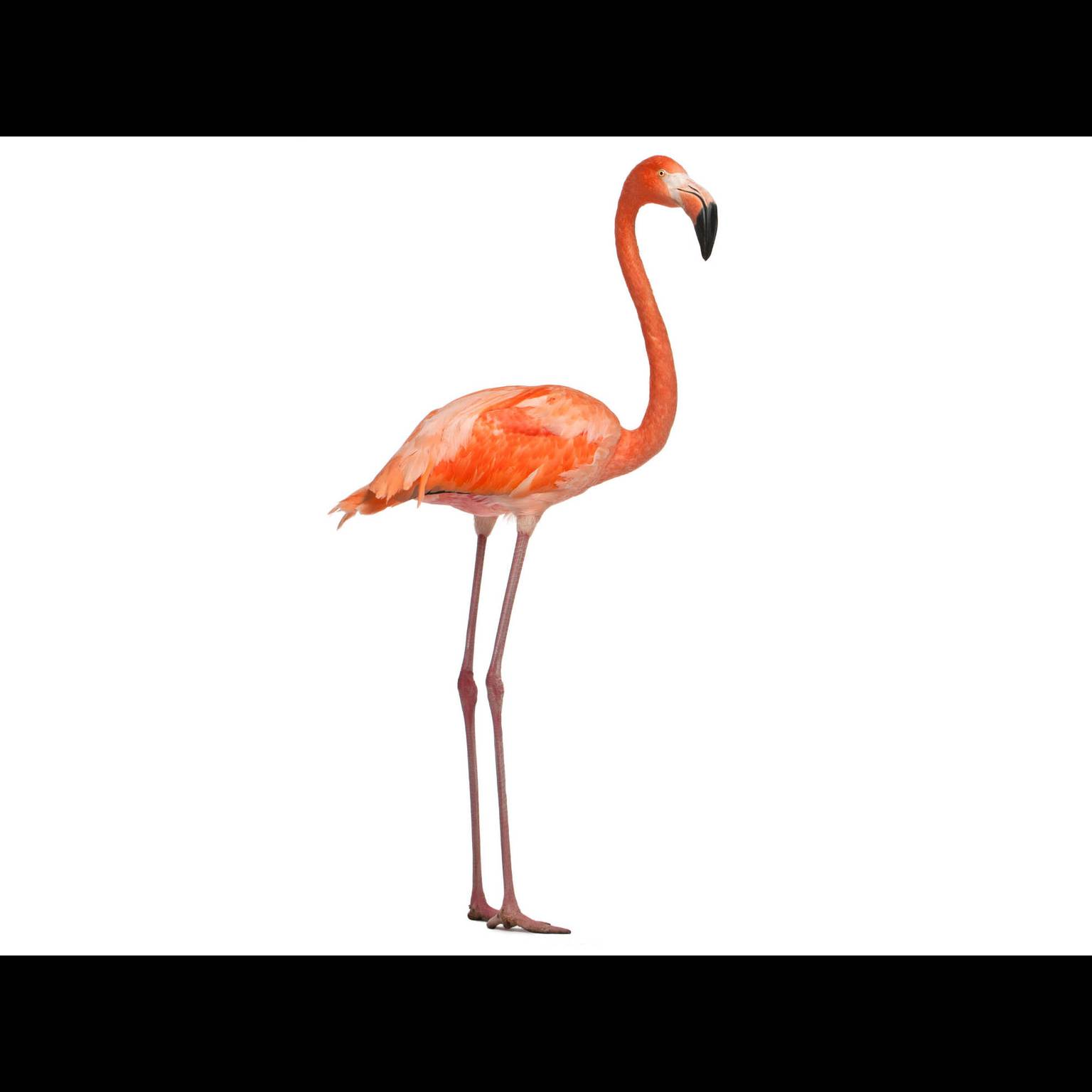
Where does the American Flamingo live?
Phoenicopterus ruber
Spotted a bird? Identify it instantly with the Birdby app
Open the appThe American Flamingo lives in specific habitats and regions. Knowing where, and when, to look improves your chances of a successful sighting.
Biomes
Coastal wetlands, estuaries, saline lagoons, hypersaline lakes, and other shallow brackish or saline aquatic environments.
Geographic range
Predominantly found in the Caribbean islands (e.g., Bahamas, Cuba, Hispaniola, Bonaire), the Yucatán Peninsula of Mexico, and coastal northern South America (e.g., Colombia, Venezuela, Suriname). Small populations historically occurred in Florida, with reintroductions and occasional vagrants observed.
Preferred environments
Large expanses of shallow, warm, brackish or saline water with mudflats, where they can easily wade and feed. They require areas protected from predators for nesting.
Elevation range
Typically found at sea level to relatively low elevations, always associated with shallow water bodies.
Where to look
Caribbean Islands
Large, easily accessible populations exist in places like the Bahamas (e.g., Great Inagua), Cuba, Bonaire, and the Cayman Islands, often in designated wildlife sanctuaries.
Yucatán Peninsula, Mexico
Major breeding and feeding grounds, particularly in the Ría Lagartos Biosphere Reserve, where thousands can be seen.
Coastal South America
Venezuela and Colombia harbor significant populations along their Caribbean coasts, for instance in Los Roques Archipelago or La Guajira Peninsula.
Florida, USA
While historically extirpated, a small, growing wild population exists in South Florida (e.g., Everglades, Florida Bay), and vagrants are occasionally sighted across the state, especially after strong winds from the Caribbean.
Field tips
- Visit during the dry season. Lower water levels in many areas concentrate flamingos in fewer, more accessible feeding grounds, making them easier to spot.
- Seek out large, shallow wetlands. Flamingos prefer extensive, open, shallow saline or brackish water bodies with muddy bottoms. Look for these specific habitat types.
- Use a spotting scope or binoculars. Flamingos are often observed at a distance, and their delicate filter-feeding behavior and bill details are best appreciated with optics.
- Observe colonial behavior. Listen for their characteristic calls and watch for large groups. Their social nature often means if you find one, you'll find many.
- Consider guided tours. In established flamingo viewing locations, local guides can provide access to prime viewing spots and interpret their behavior and ecology.
Migration
Generally non-migratory, but local movements occur in response to changes in water levels, food availability, or disturbance. Younger birds may disperse further, and vagrants can appear outside typical ranges.
Explore the American Flamingo
Identify birds anywhere
Free on iOS, Android, and Web. Photo & sound identification, full species database, and your personal life list.