
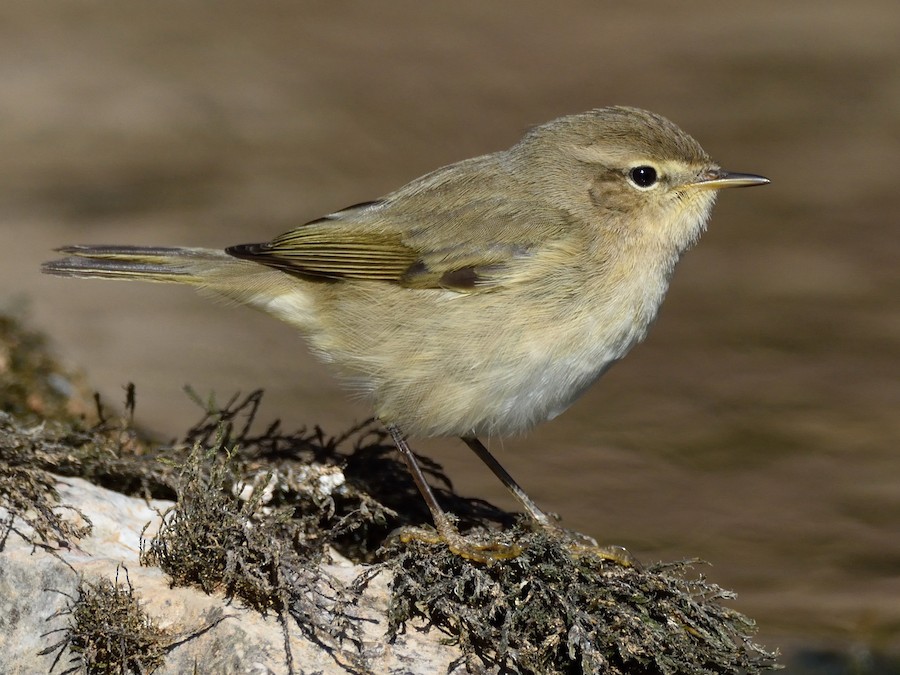
Where does the Common Chiffchaff live?
Phylloscopus collybita
Spotted a bird? Identify it instantly with the Birdby app
Open the appThe Common Chiffchaff lives in specific habitats and regions. Knowing where, and when, to look improves your chances of a successful sighting.
Biomes
Temperate forests, mixed woodlands, taiga, scrubland, parks, gardens, riparian zones.
Geographic range
Breeds across most of Europe and temperate Asia, from Ireland and Portugal east to Siberia. Winters in southern Europe, North Africa, and tropical Asia.
Preferred environments
Prefers open woodlands with a good understory, deciduous or mixed forests, parks, and large gardens. Often found near water. Requires dense vegetation for nesting and foraging.
Elevation range
Sea level up to 2,000 meters, occasionally higher in some parts of its range.
Where to look
Woodlands
Deciduous and mixed woodlands are prime habitats, especially those with a good understory.
Parks and Gardens
Common in urban and suburban parks, large gardens, and cemeteries with mature trees and shrubs.
Riparian Zones
Often found along riverbanks, lake shores, and other damp areas with willow and alder trees.
Scrubland
During migration, they can be found in various scrubby habitats, hedgerows, and coastal thickets.
Field tips
- Listen for the song. The 'chiff-chaff' song is the easiest way to locate and identify this species, especially in dense foliage where it can be hard to see.
- Look for movement. Chiffchaffs are constantly on the move, flitting between branches. Scan the canopy and understory for small, active birds.
- Check for tail flicking. Observe their characteristic tail-flicking behavior, often dropping the tail and slowly raising it.
- Patience. They can be elusive. Find a suitable habitat and wait quietly, listening for their song or calls.
Migration
Long-distance migrant. European populations typically migrate south to the Mediterranean basin, North Africa, and sub-Saharan Africa. Asian populations migrate to southern Asia. They are one of the earliest spring migrants to return to breeding grounds and one of the last to leave in autumn.
Explore the Common Chiffchaff
Identify birds anywhere
Free on iOS, Android, and Web. Photo & sound identification, full species database, and your personal life list.