
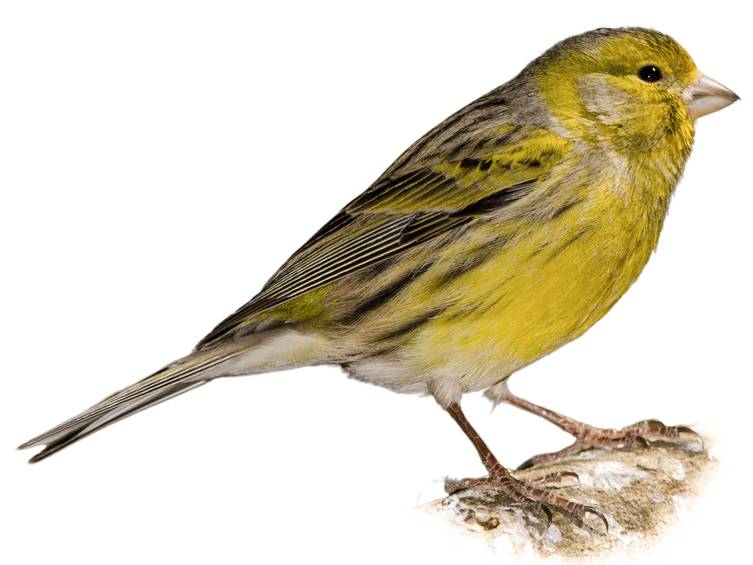
Where does the Canary live?
Serinus canaria
Spotted a bird? Identify it instantly with the Birdby app
Open the appThe Canary lives in specific habitats and regions. Knowing where, and when, to look improves your chances of a successful sighting.
Biomes
Subtropical forests, woodlands, scrublands, agricultural areas, gardens, and urban parks.
Geographic range
Endemic to the Macaronesian archipelagos: Canary Islands, Azores, and Madeira.
Preferred environments
Prefers open woodlands, laurel forests, pine forests, and areas with scattered trees and shrubs. Also common in cultivated lands, orchards, and human-modified landscapes where food and nesting sites are available.
Elevation range
Sea level up to 1,500 meters (occasionally higher in some areas).
Where to look
Canary Islands
Common and widespread across all the main islands, particularly in areas with mixed woodland, scrub, and agricultural land.
Madeira
Found throughout the island, including coastal areas, cultivated land, and forested slopes.
Azores
Present on most islands of the archipelago, favoring similar habitats to those in the Canary Islands and Madeira.
Gardens and Parks
Can be found in urban and suburban green spaces within its native range, especially where there are seed-bearing plants.
Field tips
- Listen for the song. The Canary's distinctive and beautiful song is often the first indication of its presence, especially during the breeding season. Follow the sound to locate the bird.
- Check open areas with vegetation. Focus on areas with scattered trees, shrubs, and grassy patches where they forage for seeds. Look on the ground or in low bushes.
- Observe flocks. Outside of breeding, Canaries often form small flocks. Look for groups of small finches moving through vegetation or feeding together.
- Visit native range. To see the wild Canary, you must visit its native Macaronesian Islands. Domestic canaries are found worldwide in captivity.
Migration
Resident throughout its range; does not undertake long-distance migrations. Local movements may occur in response to food availability or weather conditions.
Explore the Canary
Identify birds anywhere
Free on iOS, Android, and Web. Photo & sound identification, full species database, and your personal life list.