
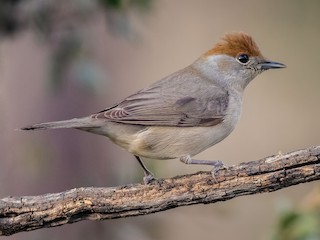
Where does the Blackcap live?
Sylvia atricapilla
Spotted a bird? Identify it instantly with the Birdby app
Open the appThe Blackcap lives in specific habitats and regions. Knowing where, and when, to look improves your chances of a successful sighting.
Biomes
Temperate forests, woodlands, scrublands, parks, gardens, hedgerows.
Geographic range
Breeds across most of Europe, western Asia, and northwestern Africa. Winters in southern Europe, North Africa, and sub-Saharan Africa.
Preferred environments
Prefers deciduous and mixed woodlands with dense undergrowth, mature gardens, orchards, and parks. Requires good shrub cover for nesting and foraging.
Elevation range
Sea level up to 2,000 meters, occasionally higher in mountainous regions.
Where to look
Deciduous Woodlands
Look in the understory and shrub layer of mature deciduous and mixed forests.
Gardens and Parks
Often found in well-vegetated gardens, orchards, and urban parks, especially those with dense shrubs and fruit-bearing plants.
Hedgerows and Scrub
Dense hedgerows and areas of scrub provide ideal nesting and foraging habitat.
Field tips
- Listen for the song. The Blackcap's song is very distinctive and often given from hidden perches. Learning its song is key to finding it.
- Look in dense cover. Blackcaps prefer dense vegetation. Scan the lower to mid-levels of bushes and trees, especially where there are berries or insects.
- Be patient and quiet. They can be shy. Remain still and listen, and they may reveal themselves as they move through the foliage.
- Check berry bushes in autumn/winter. During the non-breeding season, they are often attracted to bushes laden with berries, making them easier to spot.
Migration
Most populations are migratory, moving south for the winter. Western European populations, particularly in the UK and Ireland, have shown an increasing trend towards partial residency or shorter migrations, with some individuals overwintering. Eastern populations undertake longer migrations to Africa. They are nocturnal migrants.
Explore the Blackcap
Identify birds anywhere
Free on iOS, Android, and Web. Photo & sound identification, full species database, and your personal life list.