
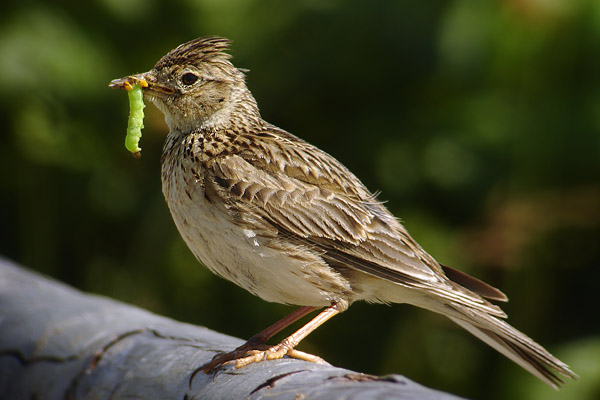
Dove vive Eurasian Skylark?
Alauda arvensis
Visto un uccello? Identificalo all'istante con l'app Birdby
Apri l'appEurasian Skylark vive in habitat e regioni specifiche. Sapere dove e quando guardare migliora le possibilità di un avvistamento riuscito.
Biomi
Temperate grasslands, agricultural lands, heathlands, moorlands, coastal dunes, steppes.
Areale geografico
Widespread across Europe and Asia, extending into North Africa. Introduced to New Zealand, Australia, and Hawaii.
Ambienti preferiti
Open, treeless areas with short to medium-height vegetation, often preferring cereal crops, fallow fields, and pastures. Avoids dense forests and urban areas.
Fascia altitudinale
Sea level up to 2,000 meters, occasionally higher in mountainous regions.
Dove guardare
Agricultural Fields
Look in cereal crops (wheat, barley), fallow fields, and pastures. They prefer areas with some vegetation cover for nesting and foraging.
Grasslands and Meadows
Extensive open grasslands, both natural and managed, are prime habitats.
Heathlands and Moorlands
Open, treeless heath and moorland areas, particularly those with shorter vegetation.
Coastal Dunes
Can be found in open, grassy dune systems along coastlines.
Consigli sul campo
- Listen for the song. The best way to find a Skylark is to listen for its unmistakable song-flight. Once you hear it, scan the sky directly above for the tiny, hovering speck.
- Scan open fields. Walk slowly through suitable habitats, scanning the ground ahead. Skylarks are very well camouflaged and often only flush when approached closely.
- Look for movement. On the ground, look for subtle movements in the grass. They often run rather than hop.
- Observe flushed birds. If a bird flushes from your feet, note its flight pattern (undulating) and the white outer tail feathers as it flies away.
- Best time. Early morning and late afternoon during the breeding season are often the best times to hear their song-flights.
Migrazione
Northern and eastern populations are migratory, moving south and west for winter. Southern and western populations are largely resident or undertake short-distance movements. Migratory flights occur during the day.
Esplora Eurasian Skylark
Identifica uccelli ovunque
Gratis su iOS, Android e Web. Identificazione per foto e suono, database completo e la tua lista personale.