
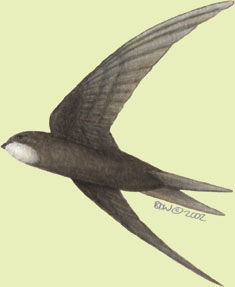
Dove vive Common Swift?
Apus apus
Visto un uccello? Identificalo all'istante con l'app Birdby
Apri l'appCommon Swift vive in habitat e regioni specifiche. Sapere dove e quando guardare migliora le possibilità di un avvistamento riuscito.
Biomi
Urban areas, towns, villages, open countryside, cliffs, and mountainous regions.
Areale geografico
Breeds across most of Europe and temperate Asia, from the Atlantic coast to Siberia and China. Winters in sub-Saharan Africa.
Ambienti preferiti
Primarily associated with human settlements where buildings provide nesting sites. Also uses natural cliffs and tree holes in less developed areas. Requires open airspace for foraging on aerial insects.
Fascia altitudinale
From sea level up to 3,000 meters in breeding areas, often higher during migration.
Dove guardare
Urban and Suburban Areas
Look for them screaming around tall buildings, churches, and old houses, especially in the evenings during the breeding season.
Open Countryside
Often seen foraging over fields, wetlands, and forests, particularly when insect numbers are high.
Coastal Cliffs
In some regions, they may nest in natural cliff crevices, especially where human structures are scarce.
Consigli sul campo
- Look Up. Swifts are almost always in the air. Scan the sky, especially above buildings.
- Listen for Calls. Their distinctive 'screaming' calls are often the first indication of their presence, even before you see them.
- Time of Day. They are particularly active and vocal in the mornings and evenings, performing aerial displays around their nesting sites.
- Seasonal Timing. Common Swifts are summer visitors to their breeding grounds. Look for them from late April/early May to late July/early August.
- Weather Conditions. Before thunderstorms, swifts often fly lower and in larger, more frantic flocks as they feed on insects brought down by changes in air pressure.
Migrazione
Long-distance migratory species. Arrives in breeding grounds in Europe and Asia from late April to early May and departs for wintering grounds in sub-Saharan Africa from late July to early September.
Esplora Common Swift
Identifica uccelli ovunque
Gratis su iOS, Android e Web. Identificazione per foto e suono, database completo e la tua lista personale.