
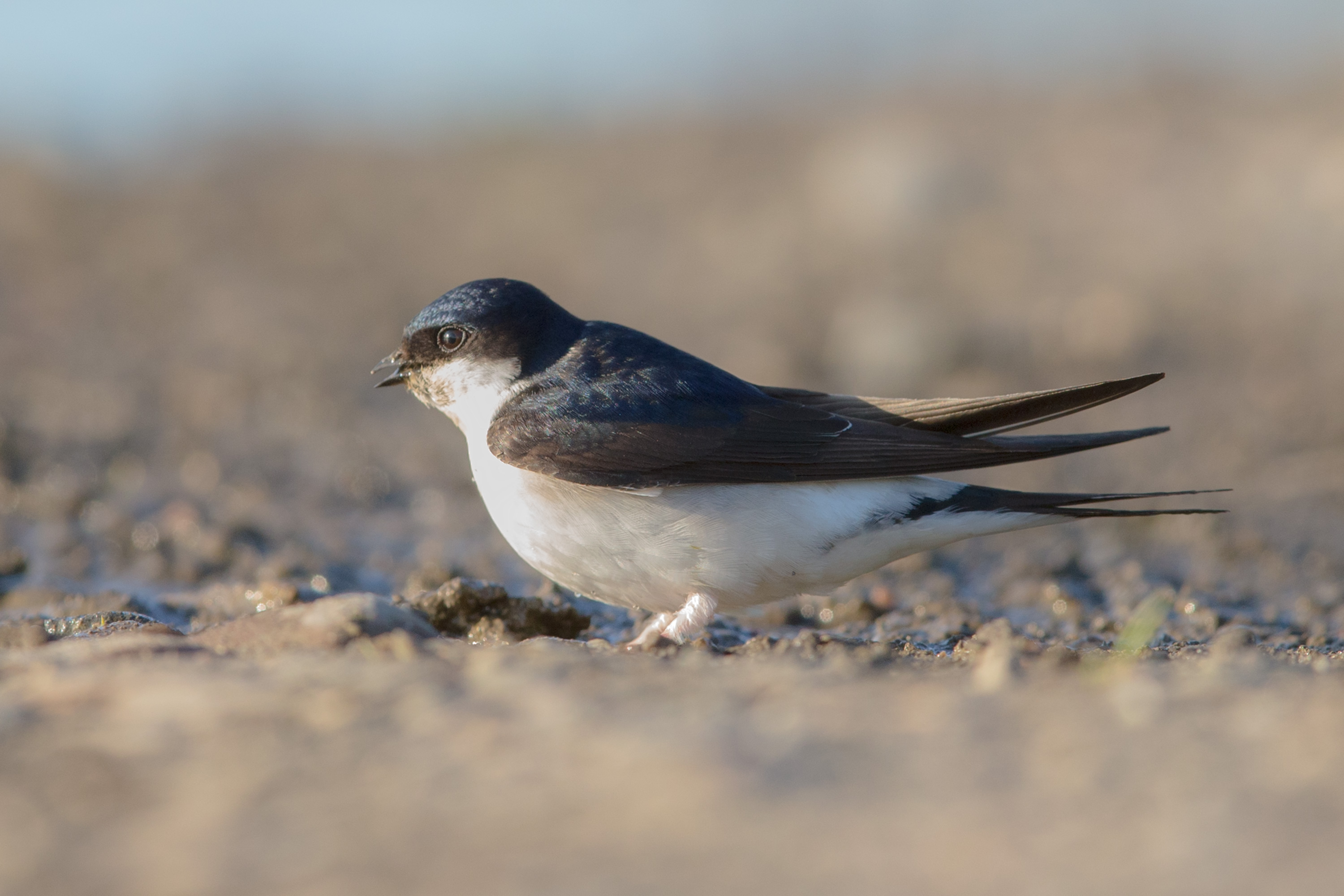
Dove vive Common House Martin?
Delichon urbicum
Visto un uccello? Identificalo all'istante con l'app Birdby
Apri l'appCommon House Martin vive in habitat e regioni specifiche. Sapere dove e quando guardare migliora le possibilità di un avvistamento riuscito.
Biomi
Temperate grasslands, open woodlands, agricultural areas, urban and suburban environments.
Areale geografico
Breeds across most of Europe, temperate Asia, and North Africa. Winters in sub-Saharan Africa and tropical Asia.
Ambienti preferiti
Prefers open country with access to water and suitable nesting sites, typically man-made structures like buildings, bridges, and cliffs. Often found in villages, towns, and cities.
Fascia altitudinale
From sea level up to 2,000 meters, occasionally higher in mountainous regions.
Dove guardare
Urban and Suburban Areas
Commonly found in towns, villages, and cities where buildings provide suitable nesting sites under eaves and ledges.
Agricultural Land
Forages over farmland, meadows, and pastures, especially near water bodies, where insect prey is abundant.
Coastal Cliffs and Bridges
In natural settings, they will nest on cliffs, particularly coastal ones, and frequently under bridges over rivers or motorways.
Open Countryside
During migration, they can be seen almost anywhere over open country, often in large flocks.
Consigli sul campo
- Look Up. House Martins typically forage higher in the air than Barn Swallows. Scan the skies above buildings and open fields.
- Check Buildings. During the breeding season, look for their distinctive mud nests under the eaves of houses, barns, and other structures. The birds will be flying in and out.
- Observe Flight. Their flight is often more erratic and 'fluttery' compared to the more graceful, sweeping flight of the Barn Swallow. Look for rapid turns and glides.
- Listen for Calls. Their 'chip' or 'chrip' calls are distinctive and often given in flight, helping to locate them.
- Migration Hotspots. During spring and autumn migration, large flocks can be observed at coastal watchpoints or over large bodies of water.
Migrazione
A long-distance migratory species. European populations migrate south to sub-Saharan Africa, while Asian populations winter in tropical Asia. Migration occurs in broad fronts, often in large flocks, typically from late August to October and returning from March to May.
Esplora Common House Martin
Identifica uccelli ovunque
Gratis su iOS, Android e Web. Identificazione per foto e suono, database completo e la tua lista personale.