
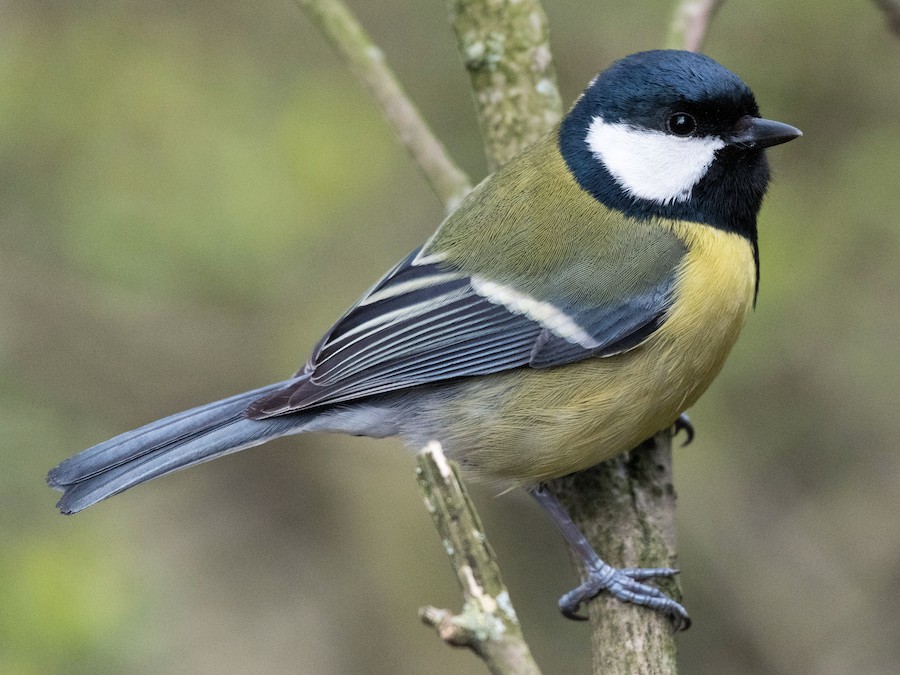
Dove vive Great Tit?
Parus major
Visto un uccello? Identificalo all'istante con l'app Birdby
Apri l'appGreat Tit vive in habitat e regioni specifiche. Sapere dove e quando guardare migliora le possibilità di un avvistamento riuscito.
Biomi
Temperate forests, deciduous woodlands, mixed woodlands, parks, gardens, orchards, hedgerows, urban areas.
Areale geografico
Widespread across Europe, Asia (from the British Isles to Japan and Indonesia), and parts of North Africa.
Ambienti preferiti
Prefers areas with mature trees, especially deciduous ones, and a good understory. Highly adaptable to human-modified landscapes, including suburban gardens and urban parks, as long as suitable nesting sites (cavities) and food sources are available.
Fascia altitudinale
Sea level up to 2,000 meters, occasionally higher in some mountain ranges.
Dove guardare
Gardens and Parks
Very common in suburban and urban green spaces, especially where there are mature trees and bird feeders.
Deciduous and Mixed Woodlands
Abundant in most types of broadleaf and mixed forests, particularly those with an open understory.
Orchards and Hedgerows
Found in agricultural landscapes with scattered trees, orchards, and dense hedgerows.
Riverine Forests
Often found along riverbanks and in riparian woodlands.
Consigli sul campo
- Listen for its song. The Great Tit's loud and repetitive song is often the first indication of its presence, especially during spring and early summer.
- Check bird feeders. They are frequent visitors to garden bird feeders, particularly for sunflower seeds and peanuts, making them easy to observe.
- Scan tree branches. Look for them actively foraging on branches and leaves, often hanging acrobatically to reach insects.
- Look for mixed flocks. In winter, they often join mixed-species tit flocks, so if you find one tit species, others, including Great Tits, may be nearby.
- Nest boxes. If you have nest boxes in your garden, Great Tits are very likely to use them for breeding, offering excellent observation opportunities.
Migrazione
Mostly resident throughout its range. Northern and eastern populations may undertake short-distance irruptive movements in harsh winters or when food is scarce. Some populations in colder regions are partial migrants, moving south or to lower altitudes.
Esplora Great Tit
Identifica uccelli ovunque
Gratis su iOS, Android e Web. Identificazione per foto e suono, database completo e la tua lista personale.