
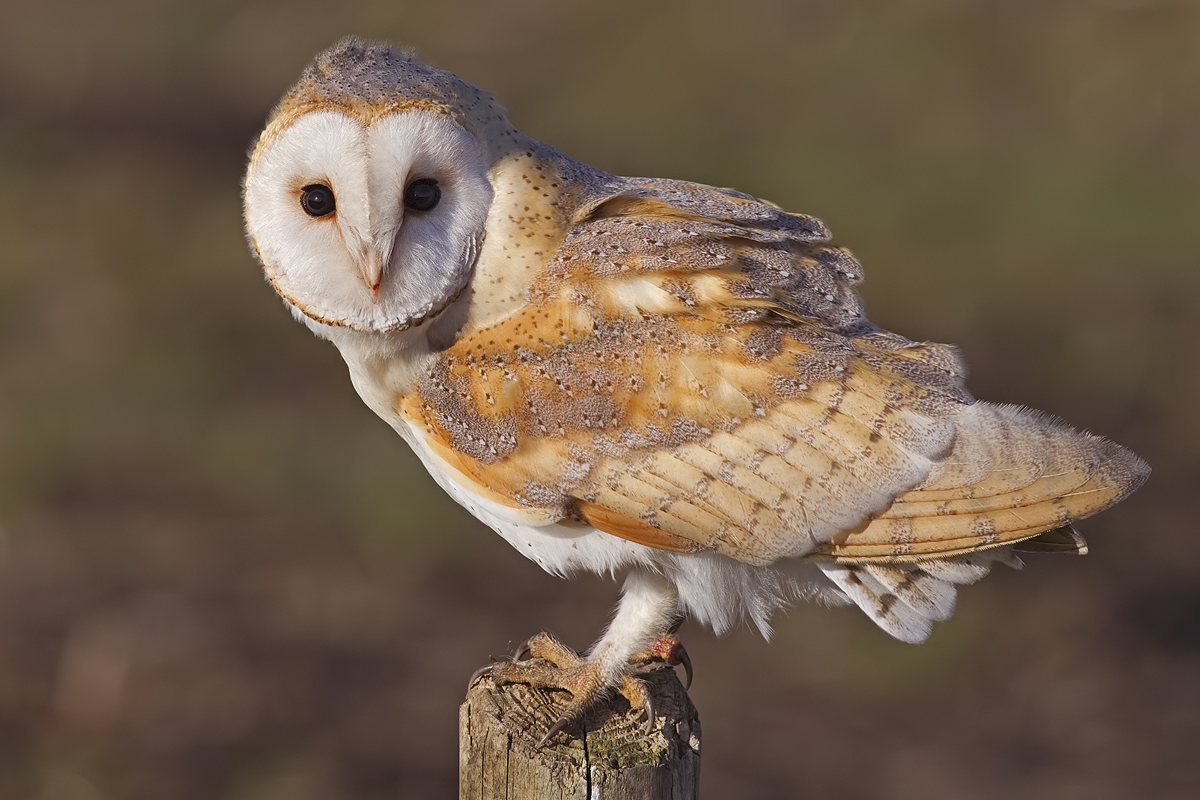
Dove vive Barn Owl?
Tyto alba
Visto un uccello? Identificalo all'istante con l'app Birdby
Apri l'appBarn Owl vive in habitat e regioni specifiche. Sapere dove e quando guardare migliora le possibilità di un avvistamento riuscito.
Biomi
Grasslands, agricultural fields, open woodlands, marshes, deserts, and suburban areas.
Areale geografico
Nearly cosmopolitan, found across Europe, Africa, Asia, Australasia, and the Americas. Absent from polar and desert regions, and some oceanic islands.
Ambienti preferiti
Open country with scattered trees, hedgerows, and access to human structures for nesting and roosting (e.g., barns, old buildings, church towers, ruins). Requires good hunting grounds with abundant small mammal populations.
Fascia altitudinale
Sea level up to 4,000 meters (13,000 feet), though typically found at lower elevations.
Dove guardare
Farmland and Agricultural Areas
Barn Owls frequently hunt over open fields, meadows, and pastures where small mammal prey is abundant. Look for them flying low over these areas at dusk or dawn.
Old Barns and Outbuildings
These structures provide ideal roosting and nesting sites. Check for openings where owls might enter, and look for whitewash (droppings) or pellets below potential roosts.
Church Steeples and Ruins
Historic buildings with accessible cavities are favored by Barn Owls for nesting and roosting, particularly in Europe.
Nest Boxes
In areas with active conservation efforts, purpose-built Barn Owl nest boxes are often installed in suitable habitats. These can be excellent places to observe them.
Roadsides
Barn Owls are sometimes seen hunting along roadsides at night, attracted by prey in the verges. Drive slowly and carefully, scanning the edges of fields.
Consigli sul campo
- Go at Dusk or Dawn. Barn Owls are primarily nocturnal, so the best times to spot them are during the crepuscular hours when they begin or end their hunting activities.
- Listen for Calls. Their distinctive screech is often heard before they are seen. Familiarize yourself with their vocalizations.
- Look for Pellets. Barn Owls regurgitate pellets containing indigestible prey remains. Finding these under potential roosts (e.g., barn rafters, tree cavities) indicates their presence.
- Scan Open Fields. Watch for their characteristic low, buoyant flight over open grasslands and agricultural fields.
- Use Binoculars. Even in low light, binoculars can help confirm identification by revealing the facial disc and plumage details.
- Be Patient and Quiet. Barn Owls are shy. Approach potential sites quietly and avoid sudden movements or loud noises.
Migrazione
Mostly resident throughout its range, but northern populations may undertake short-distance dispersal or irruptive movements in response to prey availability or harsh weather. Young birds disperse from their natal territories.
Esplora Barn Owl
Identifica uccelli ovunque
Gratis su iOS, Android e Web. Identificazione per foto e suono, database completo e la tua lista personale.