
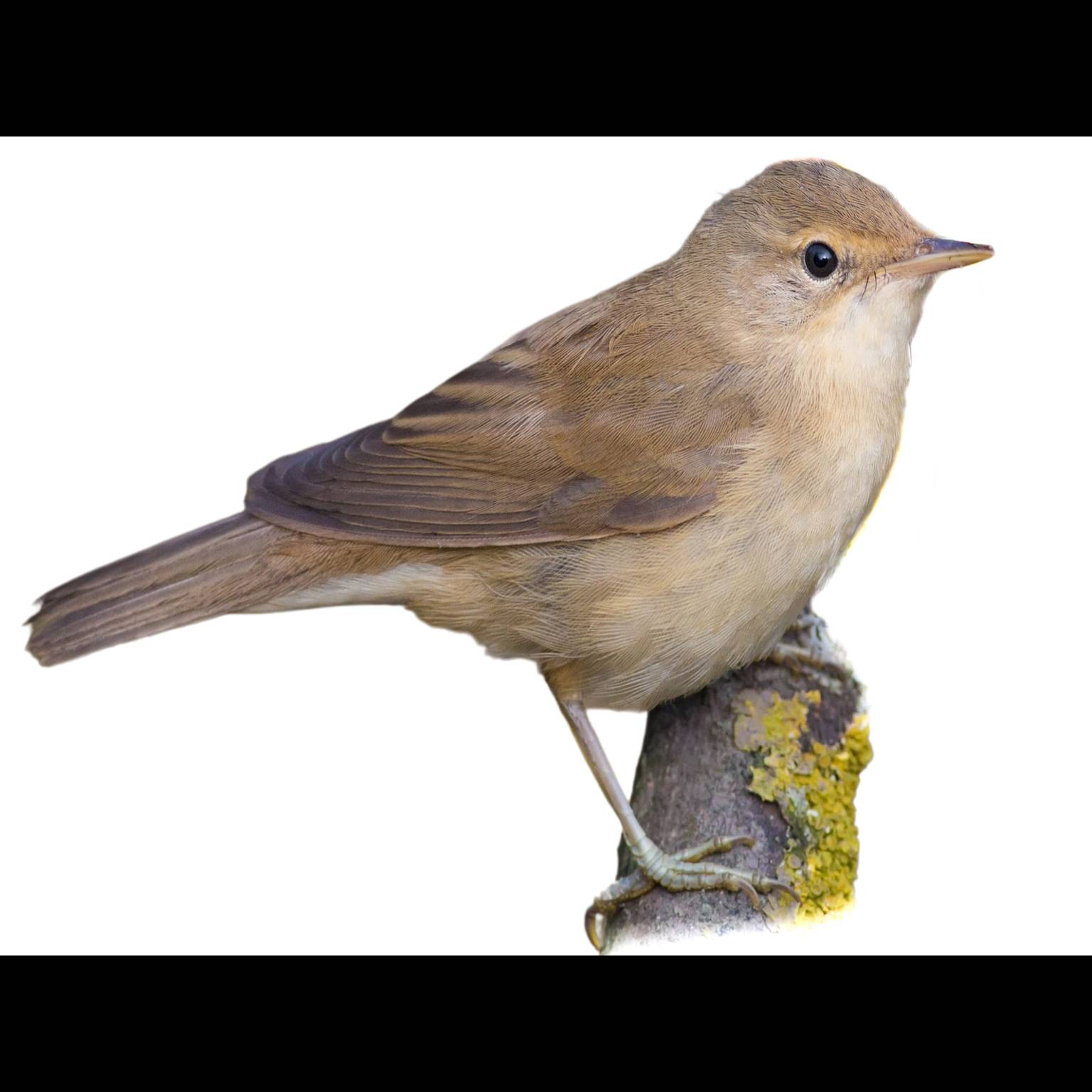
Where does the Eurasian Reed Warbler live?
Acrocephalus scirpaceus
Spotted a bird? Identify it instantly with the Birdby app
Open the appThe Eurasian Reed Warbler lives in specific habitats and regions. Knowing where, and when, to look improves your chances of a successful sighting.
Biomes
Temperate forests, wetlands, grasslands (specifically reedbeds).
Geographic range
Breeds across most of Europe and temperate Asia, from the UK and France eastward to western Siberia and Kazakhstan. Winters in sub-Saharan Africa, primarily in the Sahel zone and southern Africa.
Preferred environments
Dense reedbeds (Phragmites australis) along the edges of lakes, rivers, ponds, and marshes. Also utilizes other tall emergent vegetation like sedges and cattails, especially during migration or in areas where reeds are less dominant.
Elevation range
Typically found from sea level up to around 1,000 meters, occasionally higher in suitable reedbed habitats.
Where to look
Reedbeds
The primary habitat. Look along the edges of lakes, slow-moving rivers, ponds, and marshes with extensive stands of common reed (Phragmites australis).
Wetlands
Any wetland area with tall emergent vegetation will likely host them during breeding or migration.
Coastal Marshes
Coastal areas with brackish or freshwater marshes can also be good spots.
Field tips
- Listen for the song. Eurasian Reed Warblers are often heard before they are seen. Learn their distinctive chattering song to locate them.
- Be patient and observe. They are secretive birds. Find a good vantage point near a reedbed and wait quietly. They will eventually pop up to sing or forage.
- Look for movement in reeds. Scan the reed tops for any subtle movement or a bird briefly perching on a prominent reed stem to sing.
- Visit at dawn or dusk. Vocalization is often most intense during these periods, increasing your chances of hearing and locating them.
- Use binoculars. Essential for getting a good view of these small, often distant birds within their dense habitat.
Migration
Long-distance migratory. Breeds in the Palearctic and winters in sub-Saharan Africa. Autumn migration typically occurs from August to October, and spring migration from April to May. They undertake arduous journeys across the Sahara Desert.
Explore the Eurasian Reed Warbler
Identify birds anywhere
Free on iOS, Android, and Web. Photo & sound identification, full species database, and your personal life list.