
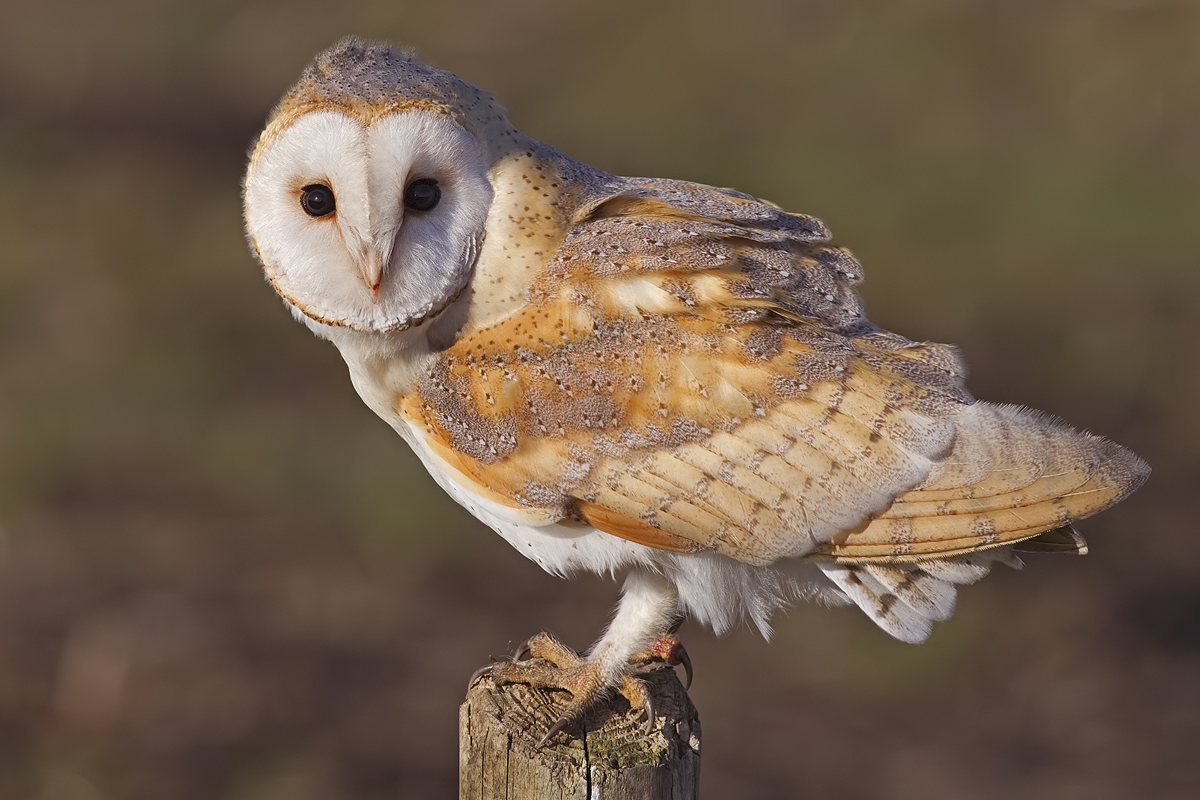
Where does the Barn Owl live?
Tyto alba
Spotted a bird? Identify it instantly with the Birdby app
Open the appThe Barn Owl lives in specific habitats and regions. Knowing where, and when, to look improves your chances of a successful sighting.
Biomes
Grasslands, agricultural fields, open woodlands, marshes, deserts, and suburban areas.
Geographic range
Nearly cosmopolitan, found on all continents except Antarctica. Widely distributed across Europe, Africa, Asia, Australasia, and the Americas. Absent from polar and desert regions, and some oceanic islands.
Preferred environments
Open country with scattered trees, barns, old buildings, silos, cliffs, and tree hollows for roosting and nesting. Requires access to open hunting grounds with abundant small mammal prey.
Elevation range
Sea level up to 4,000 meters (13,000 ft), though most common in lowlands and agricultural areas.
Where to look
Agricultural Areas
Look in open farmland, pastures, and meadows, especially those with old barns, silos, or outbuildings.
Open Countryside
Scan grasslands, marshes, and scrublands at dusk and dawn, particularly where there are suitable roosting sites nearby.
Abandoned Buildings
Check the interiors of old, disused barns, churches, and other structures, as they are favored roosting and nesting sites.
Tree Hollows/Cliffs
In more natural settings, inspect large tree hollows or crevices in cliffs.
Field tips
- Time of Day. Barn Owls are primarily nocturnal, so the best times to spot them are at dusk, throughout the night, and at dawn. Occasionally, they hunt during the day, especially when feeding young.
- Listen for Calls. Their distinctive screech is often the first indication of their presence. Listen carefully on still nights.
- Look for Pellets. Barn Owls regurgitate pellets containing indigestible prey remains. Finding these under potential roosts or nest sites is a strong indicator of their presence.
- Use a Spotlight (responsibly). If observing at night, a red-filtered spotlight can help locate them without disturbing their hunting behavior. Always maintain a respectful distance.
- Check Nest Boxes. In areas with active conservation efforts, check designated Barn Owl nest boxes, often placed in suitable habitats.
Migration
Mostly resident throughout its range, but northern populations may undertake short-distance movements or irruptions in response to prey availability or harsh weather. Some populations in North America and Europe show partial migration.
Explore the Barn Owl
Identify birds anywhere
Free on iOS, Android, and Web. Photo & sound identification, full species database, and your personal life list.