
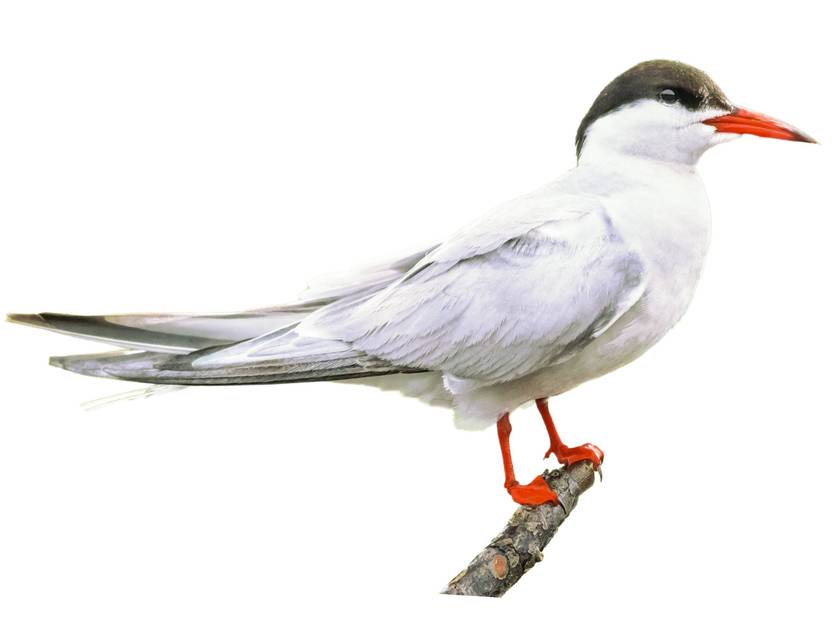
Dove vive Common Tern?
Sterna hirundo
Visto un uccello? Identificalo all'istante con l'app Birdby
Apri l'appCommon Tern vive in habitat e regioni specifiche. Sapere dove e quando guardare migliora le possibilità di un avvistamento riuscito.
Biomi
Coastal areas, estuaries, large freshwater lakes, rivers, and wetlands.
Areale geografico
Breeds across temperate and subarctic regions of North America, Europe, and Asia. Winters in tropical and subtropical coastal regions of the Southern Hemisphere, including South America, Africa, and Australia.
Ambienti preferiti
Prefers open water with nearby sandy beaches, shingle banks, rocky islets, or artificial structures (e.g., jetties, dikes) for nesting. Requires clear water for foraging.
Fascia altitudinale
Primarily found at sea level, but can be found inland along large freshwater bodies.
Dove guardare
Coastal Beaches and Shingle Banks
Look for them nesting or roosting on undisturbed stretches of sandy or pebbly coastlines, especially on islands or spits.
Estuaries and Lagoons
Common in brackish water environments where small fish are abundant, often seen foraging or resting on mudflats at low tide.
Large Freshwater Lakes and Rivers
Inland populations can be found on large bodies of freshwater, particularly those with suitable nesting islands or shorelines.
Artificial Structures
They may utilize jetties, breakwaters, or artificial nesting platforms in harbors and coastal areas.
Consigli sul campo
- Scan for hovering birds. Look for birds hovering gracefully over the water, often pausing before executing a swift plunge-dive. This is a classic foraging behavior.
- Listen for calls. Their distinctive 'kee-arr' call is often heard before the bird is seen, especially near breeding colonies or foraging areas.
- Observe bill color carefully. Pay close attention to the bill color and pattern, particularly the presence or absence of a black tip on a red bill, which is crucial for distinguishing from Arctic Tern.
- Check tail streamers. In breeding plumage, the long, deeply forked tail streamers are a good feature, though Arctic Terns also have long streamers.
- Visit breeding colonies. During the breeding season, visiting known tern colonies (from a respectful distance) offers excellent viewing opportunities.
Migrazione
Long-distance migratory species. Northern Hemisphere breeders migrate south to wintering grounds in the Southern Hemisphere, often covering thousands of kilometers. Migration occurs in large flocks, typically along coastlines.
Esplora Common Tern
Identifica uccelli ovunque
Gratis su iOS, Android e Web. Identificazione per foto e suono, database completo e la tua lista personale.